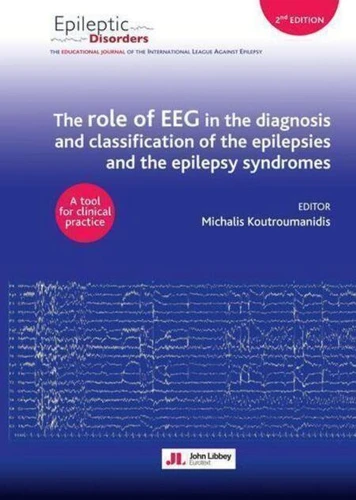
In this second edition, the first new part discusses the clinical approach to the diagnosis of the patient presenting with a probable epileptic seizure and the use of the EEG to support and refine (or refute) the initial hypothesis. It also explores the when and how to use the EEG (and avoid its overuse), once differential diagnosis includes the commonest imitators of epilepsy. Finally, it describes the EEG paroxysms of uncertain clinical significance to avoid over-interpretation when they appear to be the main (or the sole) EEG abnormality and the clinical picture offers little clarity.
The revised second part was published on its own in 2018 and includes the epilepsy syndromes that are recognised by the ILAE from the neonatal period to adulthood. Because it covers the indications and the optimal use of the EEG from the initial diagnostic level of does my patient have epilepsy and, if yes, what is its type? to the highest diagnostic refinement , this book can be a useful educational and clinical tool, full of practical information, tips and clues to improve the reader's recording techniques and strategies.
From paediatric and adult epileptologists, EEG technologists, neurology and clinical neurophysiology residents to physicians and nurses, a wide range of professionals can use it as a reference guide on a daily basis.
In this second edition, the first new part discusses the clinical approach to the diagnosis of the patient presenting with a probable epileptic seizure and the use of the EEG to support and refine (or refute) the initial hypothesis. It also explores the when and how to use the EEG (and avoid its overuse), once differential diagnosis includes the commonest imitators of epilepsy. Finally, it describes the EEG paroxysms of uncertain clinical significance to avoid over-interpretation when they appear to be the main (or the sole) EEG abnormality and the clinical picture offers little clarity.
The revised second part was published on its own in 2018 and includes the epilepsy syndromes that are recognised by the ILAE from the neonatal period to adulthood. Because it covers the indications and the optimal use of the EEG from the initial diagnostic level of does my patient have epilepsy and, if yes, what is its type? to the highest diagnostic refinement , this book can be a useful educational and clinical tool, full of practical information, tips and clues to improve the reader's recording techniques and strategies.
From paediatric and adult epileptologists, EEG technologists, neurology and clinical neurophysiology residents to physicians and nurses, a wide range of professionals can use it as a reference guide on a daily basis.


 , qui est-ce ?