SOLDES
Jusqu'à -70% sur une sélection d'articles*

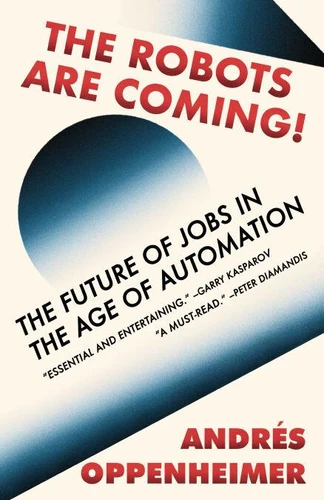
The Robots Are Coming!. The Future of Jobs in the Age of Automation
Par : ,Formats :
Disponible dans votre compte client Decitre ou Furet du Nord dès validation de votre commande. Le format ePub protégé est :
- Compatible avec une lecture sur My Vivlio (smartphone, tablette, ordinateur)
- Compatible avec une lecture sur liseuses Vivlio
- Pour les liseuses autres que Vivlio, vous devez utiliser le logiciel Adobe Digital Edition. Non compatible avec la lecture sur les liseuses Kindle, Remarkable et Sony
- Non compatible avec un achat hors France métropolitaine
 , qui est-ce ?
Notre partenaire de plateforme de lecture numérique où vous retrouverez l'ensemble de vos ebooks gratuitement
Pour en savoir plus sur nos ebooks, consultez notre aide en ligne ici
C'est si simple ! Lisez votre ebook avec l'app Vivlio sur votre tablette, mobile ou ordinateur :

- Nombre de pages352
- FormatePub
- ISBN978-0-525-56501-7
- EAN9780525565017
- Date de parution30/04/2019
- Protection num.Adobe DRM
- Taille1 Mo
- Infos supplémentairesepub
- ÉditeurVintage
Résumé
Staying true to his trademark journalistic approach, Andrés Oppenheimer takes his readers on yet another journey, this time across the globe, in a thought-provoking search to understand what the future holds for today's jobs in the foreseeable age of automation. The Robots Are Coming! centers around the issue of jobs and their future in the context of rapid automation and the growth of online products and services.
As two of Oppenheimer's interviewees -- both experts in technology and economics from Oxford University -- indicate, forty-seven percent of existing jobs are at risk of becoming automated or rendered obsolete by other technological changes in the next twenty years. Oppenheimer examines current changes in several fields, including the food business, legal work, banking, and medicine, speaking with experts in the field, and citing articles and literature on automation in various areas of the workforce.
He contrasts the perspectives of "techno-optimists" with those of "techno-negativists" and generally attempts to find a middle ground between an alarmist vision of the future, and one that is too uncritical. A self-described "cautious optimist", Oppenheimer believes that technology will not create massive unemployment, but rather will drastically change what work looks like.
As two of Oppenheimer's interviewees -- both experts in technology and economics from Oxford University -- indicate, forty-seven percent of existing jobs are at risk of becoming automated or rendered obsolete by other technological changes in the next twenty years. Oppenheimer examines current changes in several fields, including the food business, legal work, banking, and medicine, speaking with experts in the field, and citing articles and literature on automation in various areas of the workforce.
He contrasts the perspectives of "techno-optimists" with those of "techno-negativists" and generally attempts to find a middle ground between an alarmist vision of the future, and one that is too uncritical. A self-described "cautious optimist", Oppenheimer believes that technology will not create massive unemployment, but rather will drastically change what work looks like.