SOLDES
Jusqu'à -70% sur une sélection d'articles*

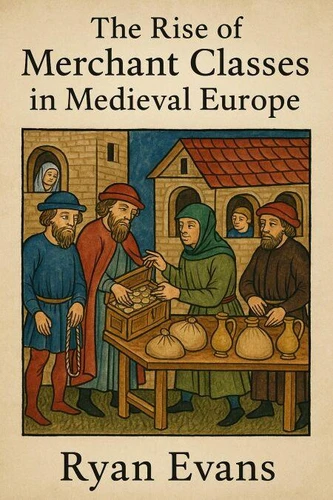
The Rise of Merchant Classes in Medieval Europe
Par :Formats :
Disponible dans votre compte client Decitre ou Furet du Nord dès validation de votre commande. Le format ePub est :
- Compatible avec une lecture sur My Vivlio (smartphone, tablette, ordinateur)
- Compatible avec une lecture sur liseuses Vivlio
- Pour les liseuses autres que Vivlio, vous devez utiliser le logiciel Adobe Digital Edition. Non compatible avec la lecture sur les liseuses Kindle, Remarkable et Sony
 , qui est-ce ?
Notre partenaire de plateforme de lecture numérique où vous retrouverez l'ensemble de vos ebooks gratuitement
Pour en savoir plus sur nos ebooks, consultez notre aide en ligne ici
C'est si simple ! Lisez votre ebook avec l'app Vivlio sur votre tablette, mobile ou ordinateur :

- FormatePub
- ISBN8230022817
- EAN9798230022817
- Date de parution19/04/2025
- Protection num.pas de protection
- Infos supplémentairesepub
- ÉditeurIndependently Published
Résumé
This book delves into the transformative period of medieval Europe, exploring how the rise of the merchant class reshaped the economic, social, and political landscape. As towns and cities grew, the traditional feudal system, rooted in land and agriculture, began to give way to a more market-driven economy. Through detailed analysis and historical context, Ryan Evans traces the evolution of merchant communities in key centers like Venice, Florence, and Bruges, highlighting how these urban hubs became the powerhouses of commerce and trade.
The book examines the key factors that spurred the growth of this new economic elite-trade expansion, the development of financial institutions, and the increasing importance of cities as economic and political centers. It also looks at the complex relationships between merchants, feudal lords, and monarchs, revealing the conflicts and collaborations that helped bring about the decline of feudalism and the rise of early capitalist structures.
By focusing on the pivotal role of merchants in shaping European society, Evans provides an insightful narrative of how they helped lay the foundations for the modern economic world.
The book examines the key factors that spurred the growth of this new economic elite-trade expansion, the development of financial institutions, and the increasing importance of cities as economic and political centers. It also looks at the complex relationships between merchants, feudal lords, and monarchs, revealing the conflicts and collaborations that helped bring about the decline of feudalism and the rise of early capitalist structures.
By focusing on the pivotal role of merchants in shaping European society, Evans provides an insightful narrative of how they helped lay the foundations for the modern economic world.
A propos de Ryan Evans


2,99 €


2,99 €


2,99 €


3,99 €

2,99 €
2,99 €