SOLDES
Jusqu'à -70% sur une sélection d'articles*

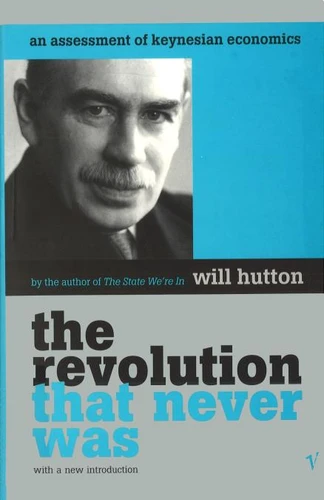
The Revolution That Never Was
Par :Formats :
Disponible dans votre compte client Decitre ou Furet du Nord dès validation de votre commande. Le format ePub protégé est :
- Compatible avec une lecture sur My Vivlio (smartphone, tablette, ordinateur)
- Compatible avec une lecture sur liseuses Vivlio
- Pour les liseuses autres que Vivlio, vous devez utiliser le logiciel Adobe Digital Edition. Non compatible avec la lecture sur les liseuses Kindle, Remarkable et Sony
- Non compatible avec un achat hors France métropolitaine
 , qui est-ce ?
Notre partenaire de plateforme de lecture numérique où vous retrouverez l'ensemble de vos ebooks gratuitement
Pour en savoir plus sur nos ebooks, consultez notre aide en ligne ici
C'est si simple ! Lisez votre ebook avec l'app Vivlio sur votre tablette, mobile ou ordinateur :

- Nombre de pages256
- FormatePub
- ISBN978-1-4481-5517-0
- EAN9781448155170
- Date de parution30/06/2012
- Protection num.Adobe DRM
- Infos supplémentairesepub
- ÉditeurVintage Digital
Résumé
Will Hutton argues that Keynesian revolution has yet to take place. Economists, he finds, have not yet come to terms with the heart of Keynes' argument: that there are limits to what prices can do in a market economy. But referring closely to Keynes' writings, Hutton demonstrates that Keynes was concerned to show how the financial sector of the economy originated and how it reinforced the incapacities of the market economy.
Post-war Keynesianism, Will Hutton concludes, has overstressed the role of fiscal policy in programmes of Keynesian economic management: it is but one element in a larger policy of financial and momentary leverage aimed at leaning against these market incapacities. By insisting that government intervention is a prerequisite to the proper functioning of the market, Keynesianism in effect becomes a political philosophy challenging the entire panoply of economic and political liberalism.
As such it may require important changes in the structure of government if it is to be implemented successfully.
Post-war Keynesianism, Will Hutton concludes, has overstressed the role of fiscal policy in programmes of Keynesian economic management: it is but one element in a larger policy of financial and momentary leverage aimed at leaning against these market incapacities. By insisting that government intervention is a prerequisite to the proper functioning of the market, Keynesianism in effect becomes a political philosophy challenging the entire panoply of economic and political liberalism.
As such it may require important changes in the structure of government if it is to be implemented successfully.