SOLDES
Jusqu'à -70% sur une sélection d'articles*

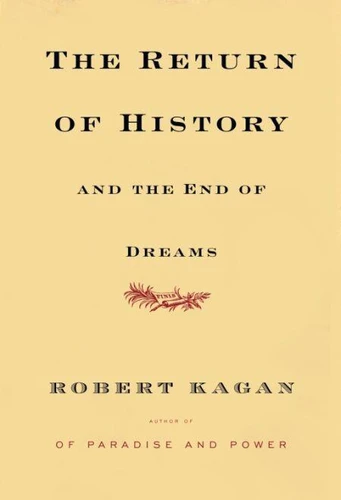
The Return of History and the End of Dreams
Par :Formats :
Disponible dans votre compte client Decitre ou Furet du Nord dès validation de votre commande. Le format ePub protégé est :
- Compatible avec une lecture sur My Vivlio (smartphone, tablette, ordinateur)
- Compatible avec une lecture sur liseuses Vivlio
- Pour les liseuses autres que Vivlio, vous devez utiliser le logiciel Adobe Digital Edition. Non compatible avec la lecture sur les liseuses Kindle, Remarkable et Sony
- Non compatible avec un achat hors France métropolitaine
 , qui est-ce ?
Notre partenaire de plateforme de lecture numérique où vous retrouverez l'ensemble de vos ebooks gratuitement
Pour en savoir plus sur nos ebooks, consultez notre aide en ligne ici
C'est si simple ! Lisez votre ebook avec l'app Vivlio sur votre tablette, mobile ou ordinateur :

- Nombre de pages112
- FormatePub
- ISBN978-0-307-26944-7
- EAN9780307269447
- Date de parution29/04/2008
- Protection num.Adobe DRM
- Taille206 Ko
- Infos supplémentairesepub
- ÉditeurVintage
Résumé
Hopes for a new peaceful international order after the end of the Cold War have been dashed by sobering realities: Great powers are once again competing for honor and influence. The world remains "unipolar, " but international competition among the United States, Russia, China, Europe, Japan, India, and Iran raise new threats of regional conflict, and a new contest between western liberalism and the great eastern autocracies of Russia and China has reinjected ideology into geopolitics.
For the past few years, the liberal world has been internally divided and distracted by issues both profound and petty. Now, in The Return of History and the End of Dreams, Robert Kagan masterfully poses the most important questions facing the liberal democratic countries, challenging them to choose whether they want to shape history or let others shape it for them.
For the past few years, the liberal world has been internally divided and distracted by issues both profound and petty. Now, in The Return of History and the End of Dreams, Robert Kagan masterfully poses the most important questions facing the liberal democratic countries, challenging them to choose whether they want to shape history or let others shape it for them.
A propos de Robert Kagan




The World America Made
E-book
12,61 €

Dangerous Nation
E-book
9,17 €