SOLDES
Jusqu'à -70% sur une sélection d'articles*

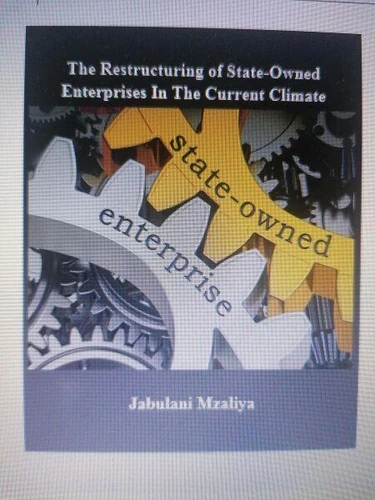
The Restructuring of State-Owned Enterprises In The Current Climate
Par :Formats :
Disponible dans votre compte client Decitre ou Furet du Nord dès validation de votre commande. Le format ePub est :
- Compatible avec une lecture sur My Vivlio (smartphone, tablette, ordinateur)
- Compatible avec une lecture sur liseuses Vivlio
- Pour les liseuses autres que Vivlio, vous devez utiliser le logiciel Adobe Digital Edition. Non compatible avec la lecture sur les liseuses Kindle, Remarkable et Sony
 , qui est-ce ?
Notre partenaire de plateforme de lecture numérique où vous retrouverez l'ensemble de vos ebooks gratuitement
Pour en savoir plus sur nos ebooks, consultez notre aide en ligne ici
C'est si simple ! Lisez votre ebook avec l'app Vivlio sur votre tablette, mobile ou ordinateur :

- FormatePub
- ISBN8201602123
- EAN9798201602123
- Date de parution20/01/2022
- Protection num.pas de protection
- Infos supplémentairesepub
- ÉditeurJL
Résumé
The Book, divided into two parts, the Policy Environment and the Recommendations, reviews the South African Government's blueprint for the restructuring of its State-Owned enterprises, the Accelerated Agenda For The Restructuring of State-Owned Enterprises. The document was published in 2000, but a lot has happened, both politically, socially and politically since then. The need for it to be reviewed to be in line with the current conditions is urgent. The Book traces the pre-1994 debates as they relate to the management of the State enterprises, but emphasizes that the original intention of privatizing these State entities was not possible because they were needed to assist the post-Apartheid and developmental State. The fastidiousness of the ideological positions has suddenly changed and there is an acceptance that the State can be a good custodian of the assets as the private sector can be a bad one.
Significantly, the trade unions which opposed privatizations have investments, called the Trade Union Investment Companies (TUICs) which compete for some State privatization deals. Of the current problems which limit the pace of the State to successfully restructure, only a few are given such as decaying infrastructure, the changing policies, corruption and how the Judiciary (the Zondo Commission) has been selective in dealing with it, the hope that things will turn for the better, the dubious pre-1994 privatizations, the policy emphasis on the role of the State and its (restructuring non-ideological nature.
The second part zooms into the Accelerated Agenda and identifies 24 areas that should either be changed or improved in the document. These range from transactions with a human face, ending fronting tendencies, the commitment of the Minister, allowing the entry of Black Chips, Listing in the local bourses, improved communications and marketing, Attraction of foreign investors, easy to understand language as well as extending benefits to vulnerable groups.
Significantly, the trade unions which opposed privatizations have investments, called the Trade Union Investment Companies (TUICs) which compete for some State privatization deals. Of the current problems which limit the pace of the State to successfully restructure, only a few are given such as decaying infrastructure, the changing policies, corruption and how the Judiciary (the Zondo Commission) has been selective in dealing with it, the hope that things will turn for the better, the dubious pre-1994 privatizations, the policy emphasis on the role of the State and its (restructuring non-ideological nature.
The second part zooms into the Accelerated Agenda and identifies 24 areas that should either be changed or improved in the document. These range from transactions with a human face, ending fronting tendencies, the commitment of the Minister, allowing the entry of Black Chips, Listing in the local bourses, improved communications and marketing, Attraction of foreign investors, easy to understand language as well as extending benefits to vulnerable groups.