SOLDES
Jusqu'à -70% sur une sélection d'articles*

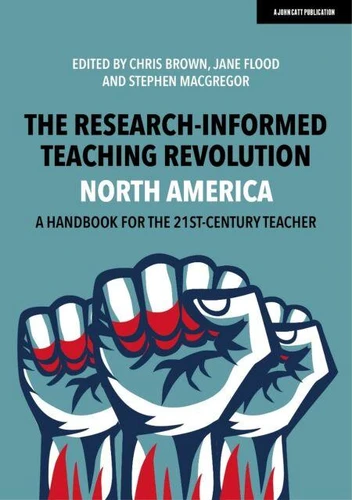
The Research-Informed Teaching Revolution - North America: A Handbook for the 21st Century Teacher
Par : , ,Formats :
Disponible dans votre compte client Decitre ou Furet du Nord dès validation de votre commande. Le format ePub protégé est :
- Compatible avec une lecture sur My Vivlio (smartphone, tablette, ordinateur)
- Compatible avec une lecture sur liseuses Vivlio
- Pour les liseuses autres que Vivlio, vous devez utiliser le logiciel Adobe Digital Edition. Non compatible avec la lecture sur les liseuses Kindle, Remarkable et Sony
- Non compatible avec un achat hors France métropolitaine
 , qui est-ce ?
Notre partenaire de plateforme de lecture numérique où vous retrouverez l'ensemble de vos ebooks gratuitement
Pour en savoir plus sur nos ebooks, consultez notre aide en ligne ici
C'est si simple ! Lisez votre ebook avec l'app Vivlio sur votre tablette, mobile ou ordinateur :

- Nombre de pages184
- FormatePub
- ISBN978-1-914351-85-3
- EAN9781914351853
- Date de parution09/12/2021
- Protection num.Adobe DRM
- Infos supplémentairesepub
- ÉditeurJohn Catt
Résumé
We know that educators and education systems at large face countless decisions every day. We also know that grounding educational decisions in research can improve the likelihood of desirable teaching and learning outcomes, as well as reduce the likelihood of unintended consequences. Research is just one among many types of evidence used in educational decision-making, however. So being "evidence informed" is as much about engaging with research evidence as it is engaging with practice-based evidence (e.g., professional judgment) and data-based evidence (e.g., school performance data).
How can educators become evidence-informed? In our view, the best approach is to learn from examples from experts of how research can be integrated with these other types of evidence, and so regularly inform our own everyday practice. With that in mind, this practical handbook offers 16 illuminating chapters that provide a wealth of advice and perspectives on the subject written by North American educators who are striving to realize the idea of research-informed practice.
Key themes - reflective practitioners, networks and collaboration, trust -emerge to help teachers formalize, prioritize and mobilize the use of research-evidence in schools.
How can educators become evidence-informed? In our view, the best approach is to learn from examples from experts of how research can be integrated with these other types of evidence, and so regularly inform our own everyday practice. With that in mind, this practical handbook offers 16 illuminating chapters that provide a wealth of advice and perspectives on the subject written by North American educators who are striving to realize the idea of research-informed practice.
Key themes - reflective practitioners, networks and collaboration, trust -emerge to help teachers formalize, prioritize and mobilize the use of research-evidence in schools.