SOLDES
Jusqu'à -70% sur une sélection d'articles*

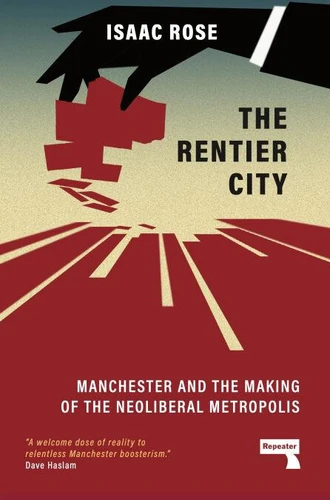
The Rentier City. Manchester and the Making of the Neoliberal Metropolis
Par :Formats :
Disponible dans votre compte client Decitre ou Furet du Nord dès validation de votre commande. Le format ePub protégé est :
- Compatible avec une lecture sur My Vivlio (smartphone, tablette, ordinateur)
- Compatible avec une lecture sur liseuses Vivlio
- Pour les liseuses autres que Vivlio, vous devez utiliser le logiciel Adobe Digital Edition. Non compatible avec la lecture sur les liseuses Kindle, Remarkable et Sony
- Non compatible avec un achat hors France métropolitaine
 , qui est-ce ?
Notre partenaire de plateforme de lecture numérique où vous retrouverez l'ensemble de vos ebooks gratuitement
Pour en savoir plus sur nos ebooks, consultez notre aide en ligne ici
C'est si simple ! Lisez votre ebook avec l'app Vivlio sur votre tablette, mobile ou ordinateur :

- Nombre de pages326
- FormatePub
- ISBN978-1-915672-19-3
- EAN9781915672193
- Date de parution09/04/2024
- Protection num.Adobe DRM
- Taille9 Mo
- Infos supplémentairesepub
- ÉditeurRepeater
Résumé
How did Manchester became the poster-child of neoliberal urbanisation, and what can the people that live there do about it?In cities across the world, gentrification and the housing crisis are facts of life. But how did we get to this point? And is there any way we can fight back?A good place to begin answering these questions is Manchester, England. Over the last thirty years, corporate developers, rentier capitalists and boosterist politicians have reshaped Manchester in their image, replacing its working-class communities, public spaces and affordable housing with skyscrapers, luxury developments and a private rental market that creates wealth for rentiers and impoverishes everybody else.
The Rentier City traces this story, showing how it fits within the longer history of Manchester. In doing so unveils a larger story of the relationship between capital and our cities, between rentier and rentee, and gives us a blueprint of how fight back against rentier capitalism and take back control of the cities we live in.
The Rentier City traces this story, showing how it fits within the longer history of Manchester. In doing so unveils a larger story of the relationship between capital and our cities, between rentier and rentee, and gives us a blueprint of how fight back against rentier capitalism and take back control of the cities we live in.