SOLDES
Jusqu'à -70% sur une sélection d'articles*

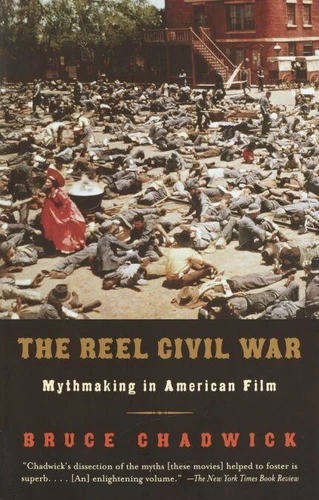
The Reel Civil War. Mythmaking in American Film
Par :Formats :
Disponible dans votre compte client Decitre ou Furet du Nord dès validation de votre commande. Le format ePub protégé est :
- Compatible avec une lecture sur My Vivlio (smartphone, tablette, ordinateur)
- Compatible avec une lecture sur liseuses Vivlio
- Pour les liseuses autres que Vivlio, vous devez utiliser le logiciel Adobe Digital Edition. Non compatible avec la lecture sur les liseuses Kindle, Remarkable et Sony
- Non compatible avec un achat hors France métropolitaine
 , qui est-ce ?
Notre partenaire de plateforme de lecture numérique où vous retrouverez l'ensemble de vos ebooks gratuitement
Pour en savoir plus sur nos ebooks, consultez notre aide en ligne ici
C'est si simple ! Lisez votre ebook avec l'app Vivlio sur votre tablette, mobile ou ordinateur :

- Nombre de pages384
- FormatePub
- ISBN978-0-307-49008-7
- EAN9780307490087
- Date de parution19/08/2009
- Protection num.Adobe DRM
- Taille6 Mo
- Infos supplémentairesepub
- ÉditeurVintage
Résumé
During the late nineteenth century, magazines, newspapers, novelists, and even historians presented a revised version of the Civil War that, intending to reconcile the former foes, downplayed the issues of slavery and racial injustice, and often promoted and reinforced the worst racial stereotypes. The Reel Civil War tells the history of how these misrepresentations of history made their way into movies.
More than 800 films have been made about the Civil War. Citing such classics as Birth of a Nation and Gone With the Wind as well as many other films, Bruce Chadwick shows how most of them have, until recently, projected an image of gallant soldiers, beautiful belles, sprawling plantations, and docile or dangerous slaves. He demonstrates how the movies aided and abetted racism and an inaccurate view of American history, providing a revealing and important account of the power of cinema to shape our understanding of historical truth.
More than 800 films have been made about the Civil War. Citing such classics as Birth of a Nation and Gone With the Wind as well as many other films, Bruce Chadwick shows how most of them have, until recently, projected an image of gallant soldiers, beautiful belles, sprawling plantations, and docile or dangerous slaves. He demonstrates how the movies aided and abetted racism and an inaccurate view of American history, providing a revealing and important account of the power of cinema to shape our understanding of historical truth.