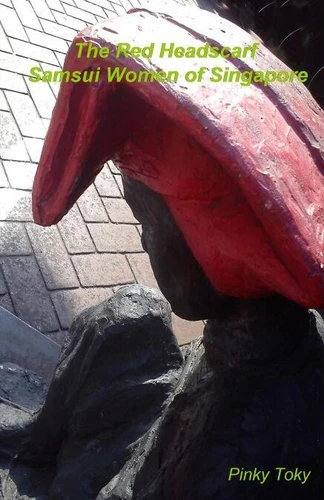
From 1920s to 1949, many Samsui women came to Singapore in search of jobs. Most of them worked in the construction industry. Construction jobs, considered to be the toughest kind of job, were shunned by both the locals and the other Chinese migrant workers. The Samsui women chose to toil at construction sites to make a decent living rather than going into prostitution or other vice trades. As they were always adorned with their red headscarf when working at the construction sites, they came to be known as Red Headscarf (or hong tou jin in Chinese).
Most of the Samsui women ventured abroad due to extreme poverty in China. Others did so to break away from arranged marriage or a life of servitude under tyrannical husband or mother-in-law. However, regardless of whatever reasons that initially caused them to leave their hometown, they were still bound by the Chinese traditional family ethics. Most of their hard-earned money was remitted back to their relatives in China.
Many Samsui women themselves ended up in a sorrowful financial state in old age.
From 1920s to 1949, many Samsui women came to Singapore in search of jobs. Most of them worked in the construction industry. Construction jobs, considered to be the toughest kind of job, were shunned by both the locals and the other Chinese migrant workers. The Samsui women chose to toil at construction sites to make a decent living rather than going into prostitution or other vice trades. As they were always adorned with their red headscarf when working at the construction sites, they came to be known as Red Headscarf (or hong tou jin in Chinese).
Most of the Samsui women ventured abroad due to extreme poverty in China. Others did so to break away from arranged marriage or a life of servitude under tyrannical husband or mother-in-law. However, regardless of whatever reasons that initially caused them to leave their hometown, they were still bound by the Chinese traditional family ethics. Most of their hard-earned money was remitted back to their relatives in China.
Many Samsui women themselves ended up in a sorrowful financial state in old age.


 , qui est-ce ?



