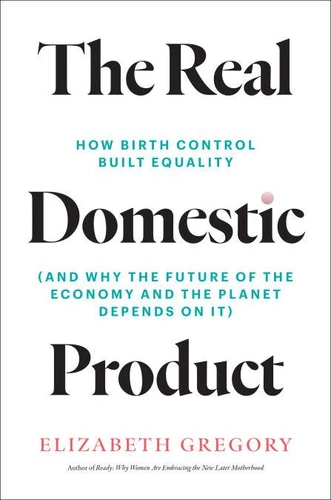
The Real Domestic Product. How Birth Control Built Equality (and Why the Future of the Economy and the Planet Depends on It)
Par :Formats :
Disponible dans votre compte client Decitre ou Furet du Nord dès validation de votre commande. Le format ePub protégé est :
- Compatible avec une lecture sur My Vivlio (smartphone, tablette, ordinateur)
- Compatible avec une lecture sur liseuses Vivlio
- Pour les liseuses autres que Vivlio, vous devez utiliser le logiciel Adobe Digital Edition. Non compatible avec la lecture sur les liseuses Kindle, Remarkable et Sony
- Non compatible avec un achat hors France métropolitaine
 , qui est-ce ?
Notre partenaire de plateforme de lecture numérique où vous retrouverez l'ensemble de vos ebooks gratuitement
Pour en savoir plus sur nos ebooks, consultez notre aide en ligne ici
C'est si simple ! Lisez votre ebook avec l'app Vivlio sur votre tablette, mobile ou ordinateur :

- Nombre de pages240
- Date de parution04/08/2026
- FormatePub
- ISBN978-0-262-05170-5
- EAN9780262051705
- Protection num.Adobe DRM
- Taille1 Mo
- Infos supplémentairesepub
- ÉditeurThe MIT Press
Résumé
An urgent and clear-eyed look at the battle over reproductive control in our tipping-point moment-and how to forge a path forward. Birth control, which includes contraception, abortion access and more, has not only enabled women to enter civic life in significant numbers for the first time, but it has also expanded our democracy and grown our economy. While many embrace these changes, which aim to share the nation's economic bounty among all Americans, those who see themselves as benefiting from the old hierarchies do not.
They resist this progress with divisive rhetoric condemning "woke"-ness in anything they find threatening. In The Real Domestic Product, fertility researcher Elizabeth Gregory argues that our battles over abortion and LGBTQ bans and pronatalism are economic at base-that conservatives seek to push women out of civic life through forced childbearing. Their goal? To maintain their discount on domestic labor and a steady supply of low-wage workers.
But, she contends, this shortsighted approach overlooks the huge benefits that a caring democracy can engender for our economy and for our fragile planet. By connecting the dots among fertility patterns, economics, climate change, equitable work, expanding longevity, and the rising status of formerly excluded groups, the author counters reactionary narratives, adding depth and perspective to the incomplete national conversations we've had to date.
Never more urgently needed, The Real Domestic Product envisions the way forward to an economy of care for our planet and our people.
They resist this progress with divisive rhetoric condemning "woke"-ness in anything they find threatening. In The Real Domestic Product, fertility researcher Elizabeth Gregory argues that our battles over abortion and LGBTQ bans and pronatalism are economic at base-that conservatives seek to push women out of civic life through forced childbearing. Their goal? To maintain their discount on domestic labor and a steady supply of low-wage workers.
But, she contends, this shortsighted approach overlooks the huge benefits that a caring democracy can engender for our economy and for our fragile planet. By connecting the dots among fertility patterns, economics, climate change, equitable work, expanding longevity, and the rising status of formerly excluded groups, the author counters reactionary narratives, adding depth and perspective to the incomplete national conversations we've had to date.
Never more urgently needed, The Real Domestic Product envisions the way forward to an economy of care for our planet and our people.