SOLDES
Jusqu'à -70% sur une sélection d'articles*

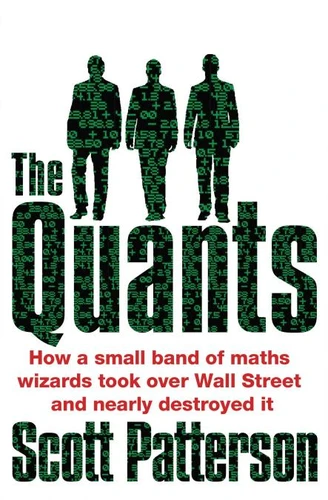
The Quants. The maths geniuses who brought down Wall Street
Par :Formats :
Disponible dans votre compte client Decitre ou Furet du Nord dès validation de votre commande. Le format ePub protégé est :
- Compatible avec une lecture sur My Vivlio (smartphone, tablette, ordinateur)
- Compatible avec une lecture sur liseuses Vivlio
- Pour les liseuses autres que Vivlio, vous devez utiliser le logiciel Adobe Digital Edition. Non compatible avec la lecture sur les liseuses Kindle, Remarkable et Sony
- Non compatible avec un achat hors France métropolitaine
 , qui est-ce ?
Notre partenaire de plateforme de lecture numérique où vous retrouverez l'ensemble de vos ebooks gratuitement
Pour en savoir plus sur nos ebooks, consultez notre aide en ligne ici
C'est si simple ! Lisez votre ebook avec l'app Vivlio sur votre tablette, mobile ou ordinateur :

- Nombre de pages352
- FormatePub
- ISBN978-1-4464-9309-0
- EAN9781446493090
- Date de parution31/05/2012
- Protection num.Adobe DRM
- Infos supplémentairesepub
- ÉditeurCornerstone Digital
Résumé
You're a genius. Nobody plays the financial markets better than you. What could possibly go wrong?Quants - quantitative analysts - were the maths masterminds let loose on Wall Street in the belief that their brilliant, impregnable computer programs would always beat the market. But as the catastrophic events of 2007 and 2008 showed, their seemingly failproof methods were little more than ticking timebombs.
Inspired by the 'Godfather of Quants' - maths-professor-turned-gambler Ed Thorp, who began applying skills learned at the Vegas tables to the financial markets back in the 1950s - the quants achieved extraordinary success and massive wealth. This book charts their rise from obscurity to boom and then to bust, explaining why they were so confident - and how they got it so disastrously wrong.
Inspired by the 'Godfather of Quants' - maths-professor-turned-gambler Ed Thorp, who began applying skills learned at the Vegas tables to the financial markets back in the 1950s - the quants achieved extraordinary success and massive wealth. This book charts their rise from obscurity to boom and then to bust, explaining why they were so confident - and how they got it so disastrously wrong.