SOLDES
Jusqu'à -70% sur une sélection d'articles*

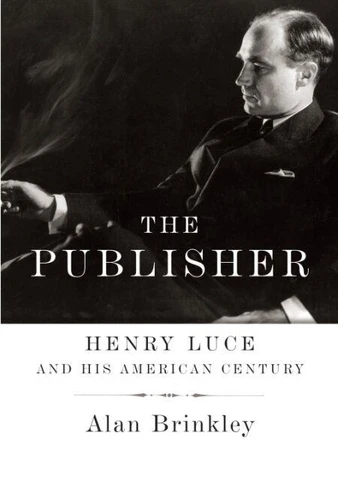
The Publisher
Par :Formats :
Disponible dans votre compte client Decitre ou Furet du Nord dès validation de votre commande. Le format ePub protégé est :
- Compatible avec une lecture sur My Vivlio (smartphone, tablette, ordinateur)
- Compatible avec une lecture sur liseuses Vivlio
- Pour les liseuses autres que Vivlio, vous devez utiliser le logiciel Adobe Digital Edition. Non compatible avec la lecture sur les liseuses Kindle, Remarkable et Sony
- Non compatible avec un achat hors France métropolitaine
 , qui est-ce ?
Notre partenaire de plateforme de lecture numérique où vous retrouverez l'ensemble de vos ebooks gratuitement
Pour en savoir plus sur nos ebooks, consultez notre aide en ligne ici
C'est si simple ! Lisez votre ebook avec l'app Vivlio sur votre tablette, mobile ou ordinateur :

- Nombre de pages560
- FormatePub
- ISBN978-0-307-59291-0
- EAN9780307592910
- Date de parution20/04/2010
- Protection num.Adobe DRM
- Taille6 Mo
- Infos supplémentairesepub
- ÉditeurVintage
Résumé
Acclaimed historian Alan Brinkley gives us a sharply realized portrait of Henry Luce, arguably the most important publisher of the twentieth century. As the founder of Time, Fortune, and Life magazines, Luce changed the way we consume news and the way we understand our world. Born the son of missionaries, Henry Luce spent his childhood in rural China, yet he glimpsed a milieu of power altogether different at Hotchkiss and later at Yale.
While working at a Baltimore newspaper, he and Brit Hadden conceived the idea of Time: a "news-magazine" that would condense the week's events in a format accessible to increasingly busy members of the middle class. They launched it in 1923, and young Luce quickly became a publishing titan. In 1936, after Time's unexpected success-and Hadden's early death-Luce published the first issue of Life, to which millions soon subscribed.
Brinkley shows how Luce reinvented the magazine industry in just a decade. The appeal of Life seemingly cut across the lines of race, class, and gender. Luce himself wielded influence hitherto unknown among journalists. By the early 1940s, he had come to see his magazines as vehicles to advocate for America's involvement in the escalating international crisis, in the process popularizing the phrase "World War II." In spite of Luce's great success, happiness eluded him.
His second marriage-to the glamorous playwright, politician, and diplomat Clare Boothe-was a shambles. Luce spent his later years in isolation, consumed at times with conspiracy theories and peculiar vendettas. The Publisher tells a great American story of spectacular achievement-yet it never loses sight of the public and private costs at which that achievement came.
While working at a Baltimore newspaper, he and Brit Hadden conceived the idea of Time: a "news-magazine" that would condense the week's events in a format accessible to increasingly busy members of the middle class. They launched it in 1923, and young Luce quickly became a publishing titan. In 1936, after Time's unexpected success-and Hadden's early death-Luce published the first issue of Life, to which millions soon subscribed.
Brinkley shows how Luce reinvented the magazine industry in just a decade. The appeal of Life seemingly cut across the lines of race, class, and gender. Luce himself wielded influence hitherto unknown among journalists. By the early 1940s, he had come to see his magazines as vehicles to advocate for America's involvement in the escalating international crisis, in the process popularizing the phrase "World War II." In spite of Luce's great success, happiness eluded him.
His second marriage-to the glamorous playwright, politician, and diplomat Clare Boothe-was a shambles. Luce spent his later years in isolation, consumed at times with conspiracy theories and peculiar vendettas. The Publisher tells a great American story of spectacular achievement-yet it never loses sight of the public and private costs at which that achievement came.