
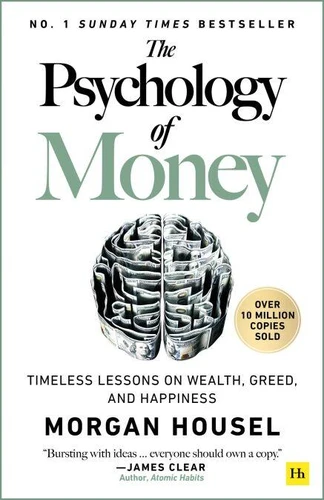
The Psychology of Money. Timeless lessons on wealth, greed, and happiness
Par :Formats :
Disponible dans votre compte client Decitre ou Furet du Nord dès validation de votre commande. Le format ePub protégé est :
- Compatible avec une lecture sur My Vivlio (smartphone, tablette, ordinateur)
- Compatible avec une lecture sur liseuses Vivlio
- Pour les liseuses autres que Vivlio, vous devez utiliser le logiciel Adobe Digital Edition. Non compatible avec la lecture sur les liseuses Kindle, Remarkable et Sony
- Non compatible avec un achat hors France métropolitaine
 , qui est-ce ?
Notre partenaire de plateforme de lecture numérique où vous retrouverez l'ensemble de vos ebooks gratuitement
Pour en savoir plus sur nos ebooks, consultez notre aide en ligne ici
C'est si simple ! Lisez votre ebook avec l'app Vivlio sur votre tablette, mobile ou ordinateur :

- Nombre de pages256
- FormatePub
- ISBN978-0-85719-769-6
- EAN9780857197696
- Date de parution08/09/2020
- Protection num.Adobe DRM
- Infos supplémentairesepub
- ÉditeurHarriman House
Résumé
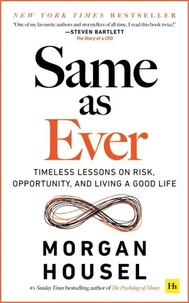
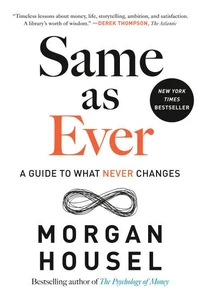
The Sunday Times Number One Bestseller. Over 10 million copies sold around the world. The original book from Morgan Housel, the New York Times and Sunday Times bestselling author of Same As Ever and The Art of Spending Money. As featured on the Dr Chatterjee podcast Feel Better, Live More and The Diary of a CEO podcast with Steven Bartlett. Doing well with money isn't necessarily about what you know.
It's about how you behave. And behavior is hard to teach, even to really smart people. Money - investing, personal finance, and business decisions - is typically taught as a math-based field, where data and formulas tell us exactly what to do. But in the real world people don't make financial decisions on a spreadsheet. They make them at the dinner table, or in a meeting room, where personal history, your own unique view of the world, ego, pride, marketing, and odd incentives are scrambled together.
In The Psychology of Money, award-winning author Morgan Housel shares 19 short stories exploring the strange ways people think about money and teaches you how to make better sense of one of life's most important topics.
It's about how you behave. And behavior is hard to teach, even to really smart people. Money - investing, personal finance, and business decisions - is typically taught as a math-based field, where data and formulas tell us exactly what to do. But in the real world people don't make financial decisions on a spreadsheet. They make them at the dinner table, or in a meeting room, where personal history, your own unique view of the world, ego, pride, marketing, and odd incentives are scrambled together.
In The Psychology of Money, award-winning author Morgan Housel shares 19 short stories exploring the strange ways people think about money and teaches you how to make better sense of one of life's most important topics.
A propos de Morgan Housel
24,30 €
17,19 €