SOLDES
Jusqu'à -70% sur une sélection d'articles*

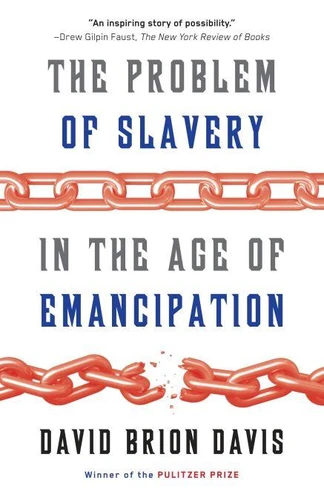
The Problem of Slavery in the Age of Emancipation
Par :Formats :
Disponible dans votre compte client Decitre ou Furet du Nord dès validation de votre commande. Le format ePub protégé est :
- Compatible avec une lecture sur My Vivlio (smartphone, tablette, ordinateur)
- Compatible avec une lecture sur liseuses Vivlio
- Pour les liseuses autres que Vivlio, vous devez utiliser le logiciel Adobe Digital Edition. Non compatible avec la lecture sur les liseuses Kindle, Remarkable et Sony
- Non compatible avec un achat hors France métropolitaine
 , qui est-ce ?
Notre partenaire de plateforme de lecture numérique où vous retrouverez l'ensemble de vos ebooks gratuitement
Pour en savoir plus sur nos ebooks, consultez notre aide en ligne ici
C'est si simple ! Lisez votre ebook avec l'app Vivlio sur votre tablette, mobile ou ordinateur :

- Nombre de pages448
- FormatePub
- ISBN978-0-385-35165-2
- EAN9780385351652
- Date de parution04/02/2014
- Protection num.Adobe DRM
- Taille3 Mo
- Infos supplémentairesepub
- ÉditeurVintage
Résumé
Winner of the 2014 National Book Critics Circle Award for General Nonfiction Shortlisted for the 2014 Cundill Prize in Historical LiteratureFrom the revered historian, the long-awaited conclusion of the magisterial history of slavery and emancipation in Western culture that has been nearly fifty years in the making. David Brion Davis is one of the foremost historians of the twentieth century, winner of the Pulitzer Prize, the National Book Award, the Bancroft Prize, and nearly every award given by the historical profession.
Now, with The Problem of Slavery in the Age of Emancipation, Davis brings his staggeringly ambitious, prizewinning trilogy on slavery in Western culture to a close. Once again, Davis offers original and penetrating insights into what slavery and emancipation meant to Americans. He explores how the Haitian Revolution respectively terrified and inspired white and black Americans, hovering over the antislavery debates like a bloodstained ghost, and he offers a surprising analysis of the complex and misunderstood significance of colonization-the project to move freed slaves back to Africa-to members of both races and all political persuasions.
He vividly portrays the dehumanizing impact of slavery, as well as the generally unrecognized importance of freed slaves to abolition. Most of all, Davis presents the age of emancipation as a model for reform and as probably the greatest landmark of willed moral progress in human history. This is a monumental and harrowing undertaking following the century of struggle, rebellion, and warfare that led to the eradication of slavery in the new world. An in-depth investigation, a rigorous colloquy of ideas, ranging from Frederick Douglass to Barack Obama, from British industrial "wage slavery" to the Chicago World's Fair, The Problem of Slavery in the Age of Emancipation is a brilliant conclusion to one of the great works of American history.
Above all, Davis captures how America wrestled with demons of its own making, and moved forward.
Now, with The Problem of Slavery in the Age of Emancipation, Davis brings his staggeringly ambitious, prizewinning trilogy on slavery in Western culture to a close. Once again, Davis offers original and penetrating insights into what slavery and emancipation meant to Americans. He explores how the Haitian Revolution respectively terrified and inspired white and black Americans, hovering over the antislavery debates like a bloodstained ghost, and he offers a surprising analysis of the complex and misunderstood significance of colonization-the project to move freed slaves back to Africa-to members of both races and all political persuasions.
He vividly portrays the dehumanizing impact of slavery, as well as the generally unrecognized importance of freed slaves to abolition. Most of all, Davis presents the age of emancipation as a model for reform and as probably the greatest landmark of willed moral progress in human history. This is a monumental and harrowing undertaking following the century of struggle, rebellion, and warfare that led to the eradication of slavery in the new world. An in-depth investigation, a rigorous colloquy of ideas, ranging from Frederick Douglass to Barack Obama, from British industrial "wage slavery" to the Chicago World's Fair, The Problem of Slavery in the Age of Emancipation is a brilliant conclusion to one of the great works of American history.
Above all, Davis captures how America wrestled with demons of its own making, and moved forward.