SOLDES
Jusqu'à -70% sur une sélection d'articles*

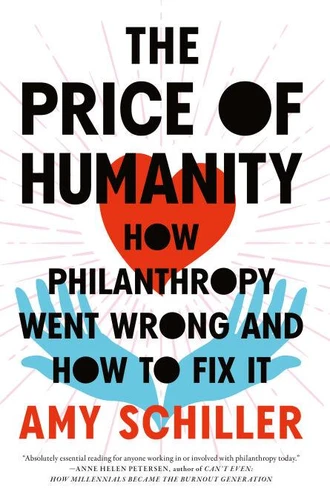
The Price of Humanity. How Philanthropy Went Wrong—And How to Fix It
Par :Formats :
Disponible dans votre compte client Decitre ou Furet du Nord dès validation de votre commande. Le format ePub protégé est :
- Compatible avec une lecture sur My Vivlio (smartphone, tablette, ordinateur)
- Compatible avec une lecture sur liseuses Vivlio
- Pour les liseuses autres que Vivlio, vous devez utiliser le logiciel Adobe Digital Edition. Non compatible avec la lecture sur les liseuses Kindle, Remarkable et Sony
- Non compatible avec un achat hors France métropolitaine
 , qui est-ce ?
Notre partenaire de plateforme de lecture numérique où vous retrouverez l'ensemble de vos ebooks gratuitement
Pour en savoir plus sur nos ebooks, consultez notre aide en ligne ici
C'est si simple ! Lisez votre ebook avec l'app Vivlio sur votre tablette, mobile ou ordinateur :

- Nombre de pages272
- FormatePub
- ISBN978-1-68589-023-0
- EAN9781685890230
- Date de parution05/12/2023
- Protection num.Adobe DRM
- Taille3 Mo
- Infos supplémentairesepub
- ÉditeurMelville House
Résumé
"[Schiller] memorably chronicles why philanthropy is important, how it became flawed and what can be done to transform it for the greater good." - Tobias Carroll, InsideHookAn attempt to rescue philanthropy from its progressive decline into vanity projects that drive wealth inequality, so that it may support human flourishing as originally intended. The word "philanthropy" today makes people think big money-Bill and Melinda Gates, Warren Buffet, and Andrew Carnegie come to mind.
The scope of suffering in the world seems to demand an industry of giving, and yet for all the billions that are dispensed, the wealthy never seem to lose any of their money and nothing seems to change. Journalist, academic and consultant Amy Schiller shows how we get out of this stalemate by evaluating the history of philanthropy from the ideas of St. Augustine to the work of Lebron James. She argues philanthropy's contemporary tendency to maintain obscene inequality and reduce every cause to dehumanizing technocratic terms is unacceptable, while maintaining an optimism about the soul and potential of philanthropy in principle.
For philanthropy to get back to its literal roots-the love of humanity-Schiller argues that philanthropy can no longer be premised around basic survival. Public institutions must assume that burden so that philanthropy can shift its focus to initiatives that allow us to flourish into happier, more fulfilled human beings. Philanthropy has to get out of the business of saving lives if we are to save humanity.
The scope of suffering in the world seems to demand an industry of giving, and yet for all the billions that are dispensed, the wealthy never seem to lose any of their money and nothing seems to change. Journalist, academic and consultant Amy Schiller shows how we get out of this stalemate by evaluating the history of philanthropy from the ideas of St. Augustine to the work of Lebron James. She argues philanthropy's contemporary tendency to maintain obscene inequality and reduce every cause to dehumanizing technocratic terms is unacceptable, while maintaining an optimism about the soul and potential of philanthropy in principle.
For philanthropy to get back to its literal roots-the love of humanity-Schiller argues that philanthropy can no longer be premised around basic survival. Public institutions must assume that burden so that philanthropy can shift its focus to initiatives that allow us to flourish into happier, more fulfilled human beings. Philanthropy has to get out of the business of saving lives if we are to save humanity.