SOLDES
Jusqu'à -70% sur une sélection d'articles*

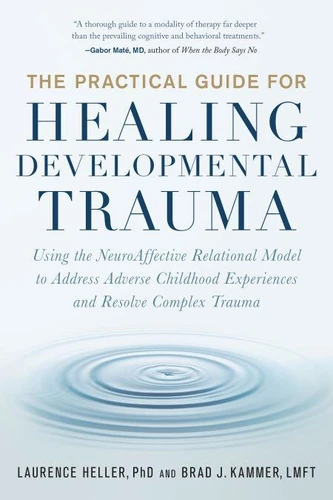
The Practical Guide for Healing Developmental Trauma: Using the Neuroaffective Relational Model to Address Adverse Childhood Experiences and Resolve C
Par : ,Formats :
Disponible dans votre compte client Decitre ou Furet du Nord dès validation de votre commande. Le format ePub protégé est :
- Compatible avec une lecture sur My Vivlio (smartphone, tablette, ordinateur)
- Compatible avec une lecture sur liseuses Vivlio
- Pour les liseuses autres que Vivlio, vous devez utiliser le logiciel Adobe Digital Edition. Non compatible avec la lecture sur les liseuses Kindle, Remarkable et Sony
- Non compatible avec un achat hors France métropolitaine
 , qui est-ce ?
Notre partenaire de plateforme de lecture numérique où vous retrouverez l'ensemble de vos ebooks gratuitement
Pour en savoir plus sur nos ebooks, consultez notre aide en ligne ici
C'est si simple ! Lisez votre ebook avec l'app Vivlio sur votre tablette, mobile ou ordinateur :

- Nombre de pages400
- FormatePub
- ISBN978-1-62317-454-5
- EAN9781623174545
- Date de parution26/07/2022
- Protection num.Adobe DRM
- Taille3 Mo
- Infos supplémentairesepub
- ÉditeurNorth Atlantic Books
Résumé
A practical step-by-step guide and follow-up companion to Healing Developmental Trauma--presenting one of the first comprehensive models for addressing complex post-traumatic stress disorder (C-PTSD)The NeuroAffective Relational Model (NARM) is an integrated mind-body framework that focuses on relational, attachment, developmental, cultural, and intergenerational trauma. NARM helps clients resolve C-PTSD, recover from adverse childhood experiences (ACEs), and facilitate post-traumatic growth.
Inspired by cutting-edge trauma-informed research on attachment, developmental psychology, and interpersonal neurobiology, The Practical Guide for Healing Developmental Trauma provides counselors, psychotherapists, psychologists, social workers, and trauma-sensitive helping professionals with the theoretical background and practical skills they need to help clients transform complex trauma. It explains: The four pillars of the NARM therapeutic model Cultural and transgenerational trauma Shock vs.
developmental trauma How to effectively address ACEs and support relational health How to differentiate NARM from other approaches to trauma treatment NARM's organizing principles and how to integrate the program into your clinical practice
Inspired by cutting-edge trauma-informed research on attachment, developmental psychology, and interpersonal neurobiology, The Practical Guide for Healing Developmental Trauma provides counselors, psychotherapists, psychologists, social workers, and trauma-sensitive helping professionals with the theoretical background and practical skills they need to help clients transform complex trauma. It explains: The four pillars of the NARM therapeutic model Cultural and transgenerational trauma Shock vs.
developmental trauma How to effectively address ACEs and support relational health How to differentiate NARM from other approaches to trauma treatment NARM's organizing principles and how to integrate the program into your clinical practice