SOLDES
Jusqu'à -70% sur une sélection d'articles*

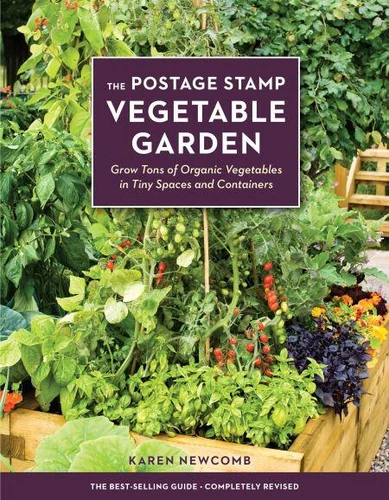
The Postage Stamp Vegetable Garden. Grow Tons of Organic Vegetables in Tiny Spaces and Containers
Par :Formats :
Disponible dans votre compte client Decitre ou Furet du Nord dès validation de votre commande. Le format ePub protégé est :
- Compatible avec une lecture sur My Vivlio (smartphone, tablette, ordinateur)
- Compatible avec une lecture sur liseuses Vivlio
- Pour les liseuses autres que Vivlio, vous devez utiliser le logiciel Adobe Digital Edition. Non compatible avec la lecture sur les liseuses Kindle, Remarkable et Sony
- Non compatible avec un achat hors France métropolitaine
 , qui est-ce ?
Notre partenaire de plateforme de lecture numérique où vous retrouverez l'ensemble de vos ebooks gratuitement
Pour en savoir plus sur nos ebooks, consultez notre aide en ligne ici
C'est si simple ! Lisez votre ebook avec l'app Vivlio sur votre tablette, mobile ou ordinateur :

- Nombre de pages224
- FormatePub
- ISBN978-1-60774-684-3
- EAN9781607746843
- Date de parution17/02/2015
- Protection num.Adobe DRM
- Taille9 Mo
- Infos supplémentairesepub
- ÉditeurTen Speed Press
Résumé
One of the best books for beginning and experienced vegetable gardeners, this clear, straightforward, easy-to-read gardening bestseller (over 500, 000 copies sold) uses organic, biodynamic methods to produce large amounts of vegetables in very small spaces. To accommodate today's lifestyles, a garden needs to fit easily into a very small plot, take as little time as possible to maintain, require a minimum amount of water, and still produce prolifically.
That's exactly what a postage stamp garden does. Postage stamp gardens are as little as 4 by 4 feet, and, after the initial soil preparation, they require very little extra work to produce a tremendous amount of vegetables--for instance, a 5-by-5-foot bed will produce a minimum of 200 pounds of vegetables. When first published 40 years ago, the postage stamp techniques, including closely planted beds rather than rows, vines and trailing plants grown vertically to free up space, and intercropping, were groundbreaking.
Revised for an all new generation of gardeners, this edition includes brand new information on the variety of heirloom vegetables available today and how to grow them the postage stamp way. Now, in an ever busier world, the postage stamp intensive gardening method continues to be invaluable for gardeners who wish to weed, water, and work a whole lot less yet produce so much more.
That's exactly what a postage stamp garden does. Postage stamp gardens are as little as 4 by 4 feet, and, after the initial soil preparation, they require very little extra work to produce a tremendous amount of vegetables--for instance, a 5-by-5-foot bed will produce a minimum of 200 pounds of vegetables. When first published 40 years ago, the postage stamp techniques, including closely planted beds rather than rows, vines and trailing plants grown vertically to free up space, and intercropping, were groundbreaking.
Revised for an all new generation of gardeners, this edition includes brand new information on the variety of heirloom vegetables available today and how to grow them the postage stamp way. Now, in an ever busier world, the postage stamp intensive gardening method continues to be invaluable for gardeners who wish to weed, water, and work a whole lot less yet produce so much more.