SOLDES
Jusqu'à -70% sur une sélection d'articles*

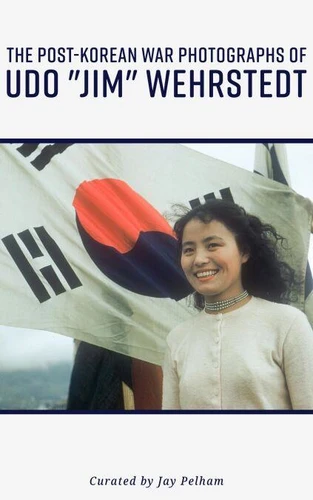
The Post-Korean War Photography of Udo “Jim” Wehrstedt
Par :Formats :
Disponible dans votre compte client Decitre ou Furet du Nord dès validation de votre commande. Le format ePub est :
- Compatible avec une lecture sur My Vivlio (smartphone, tablette, ordinateur)
- Compatible avec une lecture sur liseuses Vivlio
- Pour les liseuses autres que Vivlio, vous devez utiliser le logiciel Adobe Digital Edition. Non compatible avec la lecture sur les liseuses Kindle, Remarkable et Sony
 , qui est-ce ?
Notre partenaire de plateforme de lecture numérique où vous retrouverez l'ensemble de vos ebooks gratuitement
Pour en savoir plus sur nos ebooks, consultez notre aide en ligne ici
C'est si simple ! Lisez votre ebook avec l'app Vivlio sur votre tablette, mobile ou ordinateur :

- FormatePub
- ISBN8233149269
- EAN9798233149269
- Date de parution31/03/2026
- Protection num.pas de protection
- Infos supplémentairesepub
- ÉditeurLinda Balsamo
Résumé
In the years following the Korean War, a young U. S. Army photojournalist named Udo "Jim" Wehrstedt walked the streets of Seoul with a camera and a quiet reverence for the world unfolding around him. What he captured was approximately 400 photographs of extraordinary intimacy and breadthThis is a rare window into a Korea that history largely forgot: the Korea that existed in the exhale between devastation and rebuilding.
These are not images of war. They are images of what comes after war; the women holding families together, the children growing up in the ruins and the hope, the orphans and the educators, the farmers returning to their land, the soldiers of other nations sharing uneasy streets, the entrepreneurs and diplomats quietly shaping a nation's future. Wehrstedt's photographic slides spent decades in family storage before being digitized in 2004...
just in time. Hurricane Katrina claimed the originals not long after. Curated by his Grandson, Jay Pelham, the digital images have been donated for exhibit to the United Nations Peace Memorial and the Texas Military Forces Museum, and this volume marks their first publication for the general public. With little contextual documentation surviving alongside the photographs, this book makes no attempt to impose narrative where none exists.
Instead, it trusts the images to speak with remarkable clarity and grace. This is visual history in its most elemental form: moments frozen in time, offered without agenda, bearing witness to an entire people in the act of beginning again.
These are not images of war. They are images of what comes after war; the women holding families together, the children growing up in the ruins and the hope, the orphans and the educators, the farmers returning to their land, the soldiers of other nations sharing uneasy streets, the entrepreneurs and diplomats quietly shaping a nation's future. Wehrstedt's photographic slides spent decades in family storage before being digitized in 2004...
just in time. Hurricane Katrina claimed the originals not long after. Curated by his Grandson, Jay Pelham, the digital images have been donated for exhibit to the United Nations Peace Memorial and the Texas Military Forces Museum, and this volume marks their first publication for the general public. With little contextual documentation surviving alongside the photographs, this book makes no attempt to impose narrative where none exists.
Instead, it trusts the images to speak with remarkable clarity and grace. This is visual history in its most elemental form: moments frozen in time, offered without agenda, bearing witness to an entire people in the act of beginning again.