SOLDES
Jusqu'à -70% sur une sélection d'articles*

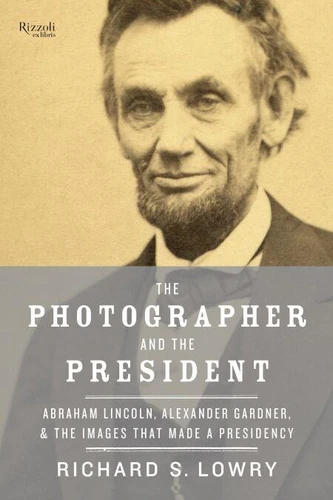
The Photographer and the President. Abraham Lincoln, Alexander Gardner, and the Images That Made a Presidency
Par :Formats :
Disponible dans votre compte client Decitre ou Furet du Nord dès validation de votre commande. Le format ePub protégé est :
- Compatible avec une lecture sur My Vivlio (smartphone, tablette, ordinateur)
- Compatible avec une lecture sur liseuses Vivlio
- Pour les liseuses autres que Vivlio, vous devez utiliser le logiciel Adobe Digital Edition. Non compatible avec la lecture sur les liseuses Kindle, Remarkable et Sony
- Non compatible avec un achat hors France métropolitaine
 , qui est-ce ?
Notre partenaire de plateforme de lecture numérique où vous retrouverez l'ensemble de vos ebooks gratuitement
Pour en savoir plus sur nos ebooks, consultez notre aide en ligne ici
C'est si simple ! Lisez votre ebook avec l'app Vivlio sur votre tablette, mobile ou ordinateur :

- Nombre de pages224
- FormatePub
- ISBN978-0-8478-4547-7
- EAN9780847845477
- Date de parution26/05/2015
- Protection num.Adobe DRM
- Taille14 Mo
- Infos supplémentairesepub
- ÉditeurRizzoli Ex Libris
Résumé
A new angle on Lincoln and his legacy, exploring the rich and suggestive dialogue between art, image, and politics at the time of the Civil War. Abraham Lincoln was one of the most photographed figures of his century. Richard Lowry explores Lincoln's association with Alexander Gardner, the man who would create the most memorable and ultimately iconic images of the president, both in his studio and on the battlefields of the Civil War.
Lowry's book is an accessible and lively narrative of this symbiotic relationship and an examination of the emerging role of the media at a moment of national transformation. Lincoln was an early adopter of photographic technology and visionary in how he used it-as FDR was with radio, JFK with television, and Obama with the internet. By highlighting this very modern aspect of such a storied presidency, Lowry opens a new door on Lincoln's relationship to politics and celebrity just as the mass culture of the image was taking root in America.
Lowry's book is an accessible and lively narrative of this symbiotic relationship and an examination of the emerging role of the media at a moment of national transformation. Lincoln was an early adopter of photographic technology and visionary in how he used it-as FDR was with radio, JFK with television, and Obama with the internet. By highlighting this very modern aspect of such a storied presidency, Lowry opens a new door on Lincoln's relationship to politics and celebrity just as the mass culture of the image was taking root in America.