SOLDES
Jusqu'à -70% sur une sélection d'articles*

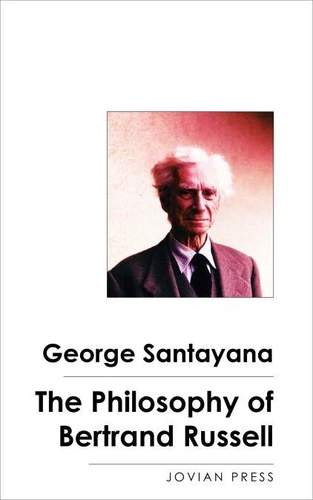
The Philosophy of Bertrand Russell
Par :Formats :
Disponible dans votre compte client Decitre ou Furet du Nord dès validation de votre commande. Le format ePub est :
- Compatible avec une lecture sur My Vivlio (smartphone, tablette, ordinateur)
- Compatible avec une lecture sur liseuses Vivlio
- Pour les liseuses autres que Vivlio, vous devez utiliser le logiciel Adobe Digital Edition. Non compatible avec la lecture sur les liseuses Kindle, Remarkable et Sony
 , qui est-ce ?
Notre partenaire de plateforme de lecture numérique où vous retrouverez l'ensemble de vos ebooks gratuitement
Pour en savoir plus sur nos ebooks, consultez notre aide en ligne ici
C'est si simple ! Lisez votre ebook avec l'app Vivlio sur votre tablette, mobile ou ordinateur :

- Nombre de pages51
- FormatePub
- ISBN978-1-5378-1890-0
- EAN9781537818900
- Date de parution19/01/2018
- Protection num.pas de protection
- Taille336 Ko
- Infos supplémentairesepub
- ÉditeurBen Marshall
Résumé
In its chase after idols this age has not wholly forgotten the gods, and reason and faith in reason are not left without advocates. Some years ago, at Trinity College, Cambridge, Mr. G. E. Moore began to produce a very deep impression amongst the younger spirits by his powerful and luminous dialectic. Like Socrates, he used all the sharp arts of a disputant in the interests of common sense and of an almost archaic dogmatism.
Those who heard him felt how superior his position was, both in rigour and in force, to the prevailing inversions and idealisms. The abuse of psychology, rampant for two hundred years, seemed at last to be detected and challenged; and the impressionistic rhetoric that philosophy was saturated with began to be squeezed out by clear questions, and by a disconcerting demand for literal sincerity. German idealism, when we study it as a product of its own age and country, is a most engaging phenomenon; it is full of afflatus, sweep, and deep searchings of heart; but it is essentially romantic and egotistical, and all in it that is not soliloquy is mere system-making and sophistry...
Those who heard him felt how superior his position was, both in rigour and in force, to the prevailing inversions and idealisms. The abuse of psychology, rampant for two hundred years, seemed at last to be detected and challenged; and the impressionistic rhetoric that philosophy was saturated with began to be squeezed out by clear questions, and by a disconcerting demand for literal sincerity. German idealism, when we study it as a product of its own age and country, is a most engaging phenomenon; it is full of afflatus, sweep, and deep searchings of heart; but it is essentially romantic and egotistical, and all in it that is not soliloquy is mere system-making and sophistry...
A propos de George Santayana
0,99 €