SOLDES
Jusqu'à -70% sur une sélection d'articles*

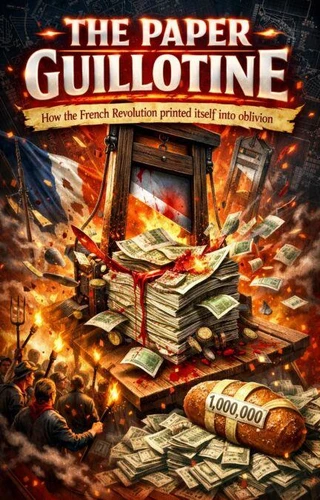
The Paper Guillotine. How the French Revolution printed itself into oblivion
Par :Formats :
Disponible dans votre compte client Decitre ou Furet du Nord dès validation de votre commande. Le format ePub est :
- Compatible avec une lecture sur My Vivlio (smartphone, tablette, ordinateur)
- Compatible avec une lecture sur liseuses Vivlio
- Pour les liseuses autres que Vivlio, vous devez utiliser le logiciel Adobe Digital Edition. Non compatible avec la lecture sur les liseuses Kindle, Remarkable et Sony
 , qui est-ce ?
Notre partenaire de plateforme de lecture numérique où vous retrouverez l'ensemble de vos ebooks gratuitement
Pour en savoir plus sur nos ebooks, consultez notre aide en ligne ici
C'est si simple ! Lisez votre ebook avec l'app Vivlio sur votre tablette, mobile ou ordinateur :

- Nombre de pages209
- FormatePub
- ISBN978-3-565-19766-8
- EAN9783565197668
- Date de parution26/01/2026
- Protection num.pas de protection
- Taille712 Ko
- Infos supplémentairesepub
- ÉditeurEmphaloz Publishing House
Résumé
"The Paper Guillotine - How the French Revolution printed itself into oblivion" explores the first great hyperinflation of the modern era. When the French revolutionaries overthrew the monarchy, they were broke. To pay their debts, they confiscated church land and issued paper currency backed by it, called "Assignats."
Economic historian Pierre Franc details the disaster that followed. The government couldn't stop printing money.
Within a few years, the Assignat had lost 99% of its value. A loaf of bread cost a wheelbarrow of cash. The government responded not by stopping the presses, but by imposing price controls (the "Maximum") and guillotining shopkeepers who refused to sell goods at a loss. "The Paper Guillotine" argues that the Reign of Terror was largely driven by economic panic. It is a grim lesson on what happens when a government tries to fix fiscal irresponsibility with state violence, proving that you cannot execute inflation.
Within a few years, the Assignat had lost 99% of its value. A loaf of bread cost a wheelbarrow of cash. The government responded not by stopping the presses, but by imposing price controls (the "Maximum") and guillotining shopkeepers who refused to sell goods at a loss. "The Paper Guillotine" argues that the Reign of Terror was largely driven by economic panic. It is a grim lesson on what happens when a government tries to fix fiscal irresponsibility with state violence, proving that you cannot execute inflation.