
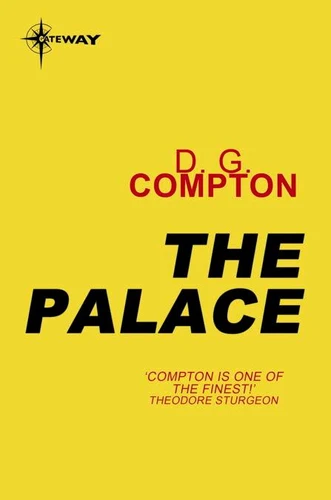
D G Compton (1930-2023)David Guy Compton was born in London in 1930. His early works were crime novels published under 'Guy Compton', but he began producing SF as 'D. G. Compton' in 1965 with The Quality of Mercy. His 1970 novel The Steel Crocodile received a Nebula nomination, but it was 1974's The Continuous Catherine Mortenhoe that made his reputation. Eerily predictive of the 21st century's obsessions with media voyeurism and 'reality television', it was filmed as Death Watch in 1980.
The Palace
Par :Formats :
Disponible dans votre compte client Decitre ou Furet du Nord dès validation de votre commande. Le format ePub protégé est :
- Compatible avec une lecture sur My Vivlio (smartphone, tablette, ordinateur)
- Compatible avec une lecture sur liseuses Vivlio
- Pour les liseuses autres que Vivlio, vous devez utiliser le logiciel Adobe Digital Edition. Non compatible avec la lecture sur les liseuses Kindle, Remarkable et Sony
- Non compatible avec un achat hors France métropolitaine
 , qui est-ce ?
Notre partenaire de plateforme de lecture numérique où vous retrouverez l'ensemble de vos ebooks gratuitement
Pour en savoir plus sur nos ebooks, consultez notre aide en ligne ici
C'est si simple ! Lisez votre ebook avec l'app Vivlio sur votre tablette, mobile ou ordinateur :

- Nombre de pages239
- FormatePub
- ISBN978-0-575-11800-3
- EAN9780575118003
- Date de parution01/10/2013
- Protection num.Adobe DRM
- Infos supplémentairesepub
- ÉditeurGateway
Résumé
The palace was several hundred years old, a sort of haphazard medieval city containing church buildings, stables, army barracks - and the offices and homes of the ministers of the Revolutionary Government, in a Communist satellite country somewhere in Europe. The palace rose starkly and threateningly out of the marshes, its three great gilt domes reminding observers of the glittering monarchies that once resided there.
But all was changed, all was forbidding."We stand too high to be human, Katarin", says the President of the country to his tempestuous, unloving wife. The revolution, which made him absolute ruler, has also taken him away from Katarin, dehumanizing him and his power-ridden ministers. Katarin, in defiance of the restrictions that bind her life, takes a lover, finding herself liberated even as she senses that the consequences are sure to be disastrous.
But all was changed, all was forbidding."We stand too high to be human, Katarin", says the President of the country to his tempestuous, unloving wife. The revolution, which made him absolute ruler, has also taken him away from Katarin, dehumanizing him and his power-ridden ministers. Katarin, in defiance of the restrictions that bind her life, takes a lover, finding herself liberated even as she senses that the consequences are sure to be disastrous.
A propos de D G Compton
Stranger at the Wedding
E-book
3,99 €
A Dangerous Magic
E-book
3,99 €
Twice Ten Thousand Miles
E-book
3,99 €
3,99 €
3,99 €
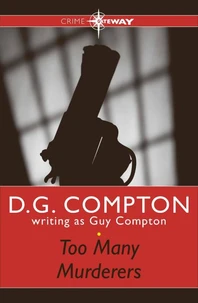
Too Many Murderers
E-book
3,99 €
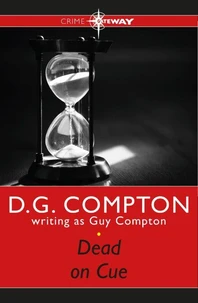
Dead on Cue
E-book
3,99 €
3,99 €
And Murder Came Too
E-book
3,99 €
High Tide for Hanging
E-book
3,99 €
Medium for Murder
E-book
3,99 €
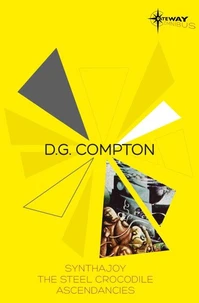

The Missionaries
E-book
4,49 €
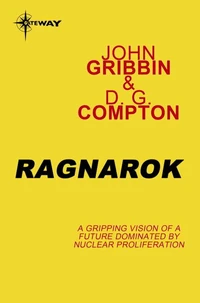
Ragnarok
E-book
3,99 €
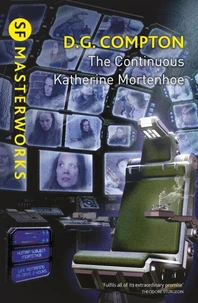
3,99 €
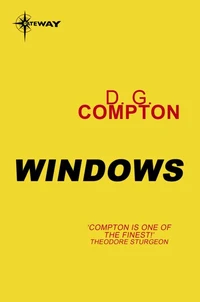
Windows
E-book
3,99 €
Synthajoy
E-book
3,99 €
Ascendancies
E-book
3,99 €
Scudder's Game
E-book
3,99 €