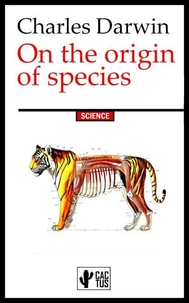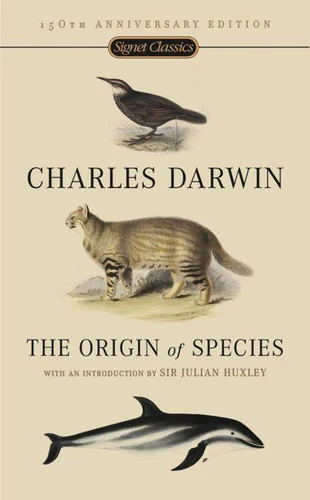
The Origin Of Species. 150th Anniversary Edition
Par : ,Formats :
Disponible dans votre compte client Decitre ou Furet du Nord dès validation de votre commande. Le format ePub protégé est :
- Compatible avec une lecture sur My Vivlio (smartphone, tablette, ordinateur)
- Compatible avec une lecture sur liseuses Vivlio
- Pour les liseuses autres que Vivlio, vous devez utiliser le logiciel Adobe Digital Edition. Non compatible avec la lecture sur les liseuses Kindle, Remarkable et Sony
- Non compatible avec un achat hors France métropolitaine
 , qui est-ce ?
Notre partenaire de plateforme de lecture numérique où vous retrouverez l'ensemble de vos ebooks gratuitement
Pour en savoir plus sur nos ebooks, consultez notre aide en ligne ici
C'est si simple ! Lisez votre ebook avec l'app Vivlio sur votre tablette, mobile ou ordinateur :

- Nombre de pages576
- FormatePub
- ISBN1-101-12675-2
- EAN9781101126752
- Date de parution02/09/2003
- Protection num.Adobe DRM
- Taille1 Mo
- Infos supplémentairesepub
- ÉditeurSignet
Résumé
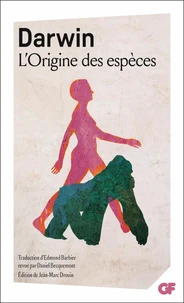
Charles Darwin's classic that exploded into public controversy, revolutionized the course of science, and continues to transform our views of the world. Few other books have created such a lasting storm of controversy as The Origin of Species. Darwin's theory that species derive from other species by a gradual evolutionary process and that the average level of each species is heightened by the "survival of the fittest" stirred up popular debate to fever pitch.
Its acceptance revolutionized the course of science. As Sir Julian Huxley, the noted biologist, points out in his illuminating introduction, the importance of Darwin's contribution to modern scientific knowledge is almost impossible to evaluate: "a truly great book, one which can still be read with profit by professional biologist."Includes an Introduction by Sir Julian Huxley
Its acceptance revolutionized the course of science. As Sir Julian Huxley, the noted biologist, points out in his illuminating introduction, the importance of Darwin's contribution to modern scientific knowledge is almost impossible to evaluate: "a truly great book, one which can still be read with profit by professional biologist."Includes an Introduction by Sir Julian Huxley