SOLDES
Jusqu'à -70% sur une sélection d'articles*
The organisation of the Royal Naval Artillery Volunteers explained
Par :Formats :
Disponible dans votre compte client Decitre ou Furet du Nord dès validation de votre commande. Le format ePub est :
- Compatible avec une lecture sur My Vivlio (smartphone, tablette, ordinateur)
- Compatible avec une lecture sur liseuses Vivlio
- Pour les liseuses autres que Vivlio, vous devez utiliser le logiciel Adobe Digital Edition. Non compatible avec la lecture sur les liseuses Kindle, Remarkable et Sony
 , qui est-ce ?
Notre partenaire de plateforme de lecture numérique où vous retrouverez l'ensemble de vos ebooks gratuitement
Pour en savoir plus sur nos ebooks, consultez notre aide en ligne ici
C'est si simple ! Lisez votre ebook avec l'app Vivlio sur votre tablette, mobile ou ordinateur :

- Nombre de pages32
- FormatePub
- ISBN859-65--4708655-0
- EAN8596547086550
- Date de parution20/07/2022
- Protection num.Digital Watermarking
- Taille322 Ko
- Infos supplémentairesepub
- ÉditeurDIGICAT
Résumé
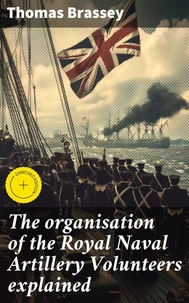
In "The Organisation of the Royal Naval Artillery Volunteers Explained, " Thomas Brassey meticulously delineates the structure and operational dynamics of this pivotal branch of the British military during a time of burgeoning imperialism and naval expansion in the late 19th century. Written with clarity and a keen understanding of military organization, Brassey employs a pragmatic tone, blending analytical rigor with historical narrative to provide readers with a comprehensive overview of the Royal Naval Artillery Volunteers (RNAV), their integration into the larger naval framework, and their role in enhancing Britain's maritime supremacy.
This work not only contributes to naval historiography but also contextualizes the importance of volunteer forces in national defense strategies during periods of socio-political change. Thomas Brassey, a prominent Victorian statesman and a noted advocate for naval reform, was well-versed in the intricacies of military organization. His extensive experience and passion for naval affairs are reflected in his writings.
Brassey, who witnessed the evolution of the British Navy firsthand, was motivated to demystify the complexities of volunteer artillery units, thereby highlighting their significance in reinforcing Britain's naval capabilities during a transformative era. For historians, military enthusiasts, and general readers alike, Brassey's work serves as an indispensable resource. It connects the dots between military innovation and national identity, making it a vital contribution to our understanding of the Royal Navy's volunteer forces.
This book is not only informative but also a compelling reflection of a transformative period in naval history, urging contemporary readers to appreciate the legacy of the Royal Naval Artillery Volunteers.
This work not only contributes to naval historiography but also contextualizes the importance of volunteer forces in national defense strategies during periods of socio-political change. Thomas Brassey, a prominent Victorian statesman and a noted advocate for naval reform, was well-versed in the intricacies of military organization. His extensive experience and passion for naval affairs are reflected in his writings.
Brassey, who witnessed the evolution of the British Navy firsthand, was motivated to demystify the complexities of volunteer artillery units, thereby highlighting their significance in reinforcing Britain's naval capabilities during a transformative era. For historians, military enthusiasts, and general readers alike, Brassey's work serves as an indispensable resource. It connects the dots between military innovation and national identity, making it a vital contribution to our understanding of the Royal Navy's volunteer forces.
This book is not only informative but also a compelling reflection of a transformative period in naval history, urging contemporary readers to appreciate the legacy of the Royal Naval Artillery Volunteers.