SOLDES
Jusqu'à -70% sur une sélection d'articles*

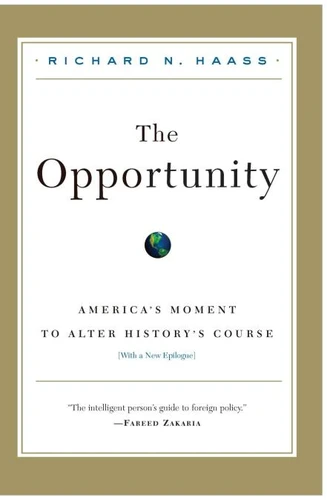
The Opportunity
Par :Formats :
Disponible dans votre compte client Decitre ou Furet du Nord dès validation de votre commande. Le format ePub protégé est :
- Compatible avec une lecture sur My Vivlio (smartphone, tablette, ordinateur)
- Compatible avec une lecture sur liseuses Vivlio
- Pour les liseuses autres que Vivlio, vous devez utiliser le logiciel Adobe Digital Edition. Non compatible avec la lecture sur les liseuses Kindle, Remarkable et Sony
- Non compatible avec un achat hors France métropolitaine
 , qui est-ce ?
Notre partenaire de plateforme de lecture numérique où vous retrouverez l'ensemble de vos ebooks gratuitement
Pour en savoir plus sur nos ebooks, consultez notre aide en ligne ici
C'est si simple ! Lisez votre ebook avec l'app Vivlio sur votre tablette, mobile ou ordinateur :

- Nombre de pages304
- FormatePub
- ISBN978-0-7867-3498-6
- EAN9780786734986
- Date de parution28/04/2009
- Protection num.Adobe DRM
- Infos supplémentairesepub
- ÉditeurPublicAffairs
Résumé
In this dramatic new perspective on international affairs, Richard N. Haass, one of the country's most brilliant analysts and able foreign policy practitioners, argues that it is hard to overstate the significance of there being no major power conflict in the world. America's great military, economic, and political power discourages traditional challenges; no ideological fault line divides the world into warring blocs.
India, China, Japan, Russia, and Europe all seek a prolonged period of stability that would support economic growth. The opportunity thus exists for unprecedented cooperation among the major powers. This is good, because they share vulnerabilities. Globalization, which promotes trade and investment and eases travel and communication, also facilitates the spread of viruses (human and computer alike), weapons, terrorists, greenhouse gases, and drugs.
And the United States, for all its strength, cannot defeat these threats alone. But opportunity is not inevitability. The question is whether the United States will be able to integrate other countries into global efforts against terrorism, the spread of nuclear weapons, genocide, and protectionist policies that jeopardize global economic prosperity. This compelling book explains why it must and how it can.
India, China, Japan, Russia, and Europe all seek a prolonged period of stability that would support economic growth. The opportunity thus exists for unprecedented cooperation among the major powers. This is good, because they share vulnerabilities. Globalization, which promotes trade and investment and eases travel and communication, also facilitates the spread of viruses (human and computer alike), weapons, terrorists, greenhouse gases, and drugs.
And the United States, for all its strength, cannot defeat these threats alone. But opportunity is not inevitability. The question is whether the United States will be able to integrate other countries into global efforts against terrorism, the spread of nuclear weapons, genocide, and protectionist policies that jeopardize global economic prosperity. This compelling book explains why it must and how it can.