SOLDES
Jusqu'à -70% sur une sélection d'articles*

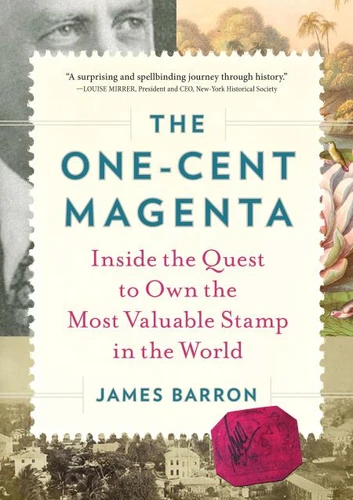
The One-Cent Magenta. Inside the Quest to Own the Most Valuable Stamp in the World
Par :Formats :
Disponible dans votre compte client Decitre ou Furet du Nord dès validation de votre commande. Le format ePub protégé est :
- Compatible avec une lecture sur My Vivlio (smartphone, tablette, ordinateur)
- Compatible avec une lecture sur liseuses Vivlio
- Pour les liseuses autres que Vivlio, vous devez utiliser le logiciel Adobe Digital Edition. Non compatible avec la lecture sur les liseuses Kindle, Remarkable et Sony
- Non compatible avec un achat hors France métropolitaine
 , qui est-ce ?
Notre partenaire de plateforme de lecture numérique où vous retrouverez l'ensemble de vos ebooks gratuitement
Pour en savoir plus sur nos ebooks, consultez notre aide en ligne ici
C'est si simple ! Lisez votre ebook avec l'app Vivlio sur votre tablette, mobile ou ordinateur :

- Nombre de pages224
- FormatePub
- ISBN978-1-61620-717-5
- EAN9781616207175
- Date de parution06/03/2017
- Protection num.Adobe DRM
- Infos supplémentairesepub
- ÉditeurAlgonquin Books
Résumé
An inside look at the obsessive, secretive, and often bizarre world of high-profile stamp collecting, told through the journey of the world's most sought-after stamp. When it was issued in 1856, it cost a penny. In 2014, this tiny square of faded red paper sold at Sotheby's for nearly $9.5 million, the largest amount ever paid for a postage stamp at auction. Through the stories of the eccentric characters who have bought, owned, and sold the one-cent magenta in the years in between, James Barron delivers a fascinating tale of global history and immense wealth, and of the human desire to collect.
One-cent magentas were provisional stamps, printed quickly in what was then British Guiana when a shipment of official stamps from London did not arrive. They were intended for periodicals, and most were thrown out with the newspapers. But one stamp survived. The singular one-cent magenta has had only nine owners since a twelve-year-old boy discovered it in 1873 as he sorted through papers in his uncle's house.
He soon sold it for what would be $17 today. (That's been called the worst stamp deal in history.) Among later owners was a fabulously wealthy Frenchman who hid the stamp from almost everyone (even King George V of England couldn't get a peek); a businessman who traveled with the stamp in a briefcase he handcuffed to his wrist; and John E. du Pont, an heir to the chemical fortune, who died while serving a thirty-year sentence for the murder of Olympic wrestler Dave Schultz.
Recommended for fans of Nicholas A. Basbanes, Susan Orlean, and Simon Winchester, The One-Cent Magenta explores the intersection of obsessive pursuits and great affluence and asks why we want most what is most rare.
One-cent magentas were provisional stamps, printed quickly in what was then British Guiana when a shipment of official stamps from London did not arrive. They were intended for periodicals, and most were thrown out with the newspapers. But one stamp survived. The singular one-cent magenta has had only nine owners since a twelve-year-old boy discovered it in 1873 as he sorted through papers in his uncle's house.
He soon sold it for what would be $17 today. (That's been called the worst stamp deal in history.) Among later owners was a fabulously wealthy Frenchman who hid the stamp from almost everyone (even King George V of England couldn't get a peek); a businessman who traveled with the stamp in a briefcase he handcuffed to his wrist; and John E. du Pont, an heir to the chemical fortune, who died while serving a thirty-year sentence for the murder of Olympic wrestler Dave Schultz.
Recommended for fans of Nicholas A. Basbanes, Susan Orlean, and Simon Winchester, The One-Cent Magenta explores the intersection of obsessive pursuits and great affluence and asks why we want most what is most rare.