
Nouveauté
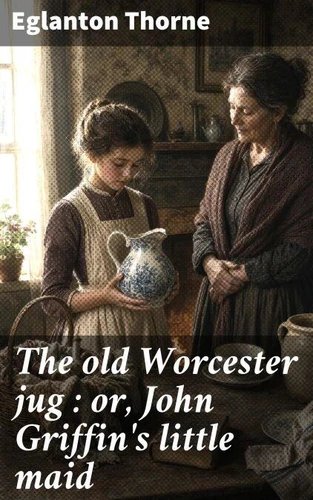
The old Worcester jug : or, John Griffin's little maid
Par :Formats :
Disponible dans votre compte client Decitre ou Furet du Nord dès validation de votre commande. Le format ePub est :
- Compatible avec une lecture sur My Vivlio (smartphone, tablette, ordinateur)
- Compatible avec une lecture sur liseuses Vivlio
- Pour les liseuses autres que Vivlio, vous devez utiliser le logiciel Adobe Digital Edition. Non compatible avec la lecture sur les liseuses Kindle, Remarkable et Sony
 , qui est-ce ?
Notre partenaire de plateforme de lecture numérique où vous retrouverez l'ensemble de vos ebooks gratuitement
Pour en savoir plus sur nos ebooks, consultez notre aide en ligne ici
C'est si simple ! Lisez votre ebook avec l'app Vivlio sur votre tablette, mobile ou ordinateur :

- Nombre de pages86
- FormatePub
- ISBN859-65--4790213-3
- EAN8596547902133
- Date de parution28/06/2026
- Protection num.Digital Watermarking
- Taille2 Mo
- Infos supplémentairesepub
- ÉditeurGOOD PRESS
Résumé
Eglanton Thorne's The old Worcester jug; or, John Griffin's little maid is a domestic Victorian tale in which an apparently modest household object becomes the emotional and symbolic center of a story about memory, class feeling, and moral nurture. Characteristic of nineteenth-century didactic fiction, the book likely combines sentimental realism with careful attention to everyday interiors, family bonds, and the quiet drama of humble lives.
Its double title suggests both the importance of material culture-the Worcester jug as heirloom or emblem-and the intimate human focus on "John Griffin's little maid, " situating the narrative within the tradition of morally instructive, hearth-centered prose for general and younger readers alike. Though Eglanton Thorne remains a comparatively obscure figure, the work reflects the concerns of writers shaped by Victorian ideals of charity, industry, and reverence for the domestic sphere.
The choice to center ordinary people and treasured objects suggests an author attentive to how character is formed through habit, affection, and adversity. Thorne's narrative impulse appears directed toward preserving the ethical significance of common life. This book will reward readers interested in neglected Victorian fiction, especially those drawn to short moral narratives, domestic sentiment, and the cultural meanings attached to household things.
It is best approached as a finely textured example of how minor literature can illuminate major social values.
Its double title suggests both the importance of material culture-the Worcester jug as heirloom or emblem-and the intimate human focus on "John Griffin's little maid, " situating the narrative within the tradition of morally instructive, hearth-centered prose for general and younger readers alike. Though Eglanton Thorne remains a comparatively obscure figure, the work reflects the concerns of writers shaped by Victorian ideals of charity, industry, and reverence for the domestic sphere.
The choice to center ordinary people and treasured objects suggests an author attentive to how character is formed through habit, affection, and adversity. Thorne's narrative impulse appears directed toward preserving the ethical significance of common life. This book will reward readers interested in neglected Victorian fiction, especially those drawn to short moral narratives, domestic sentiment, and the cultural meanings attached to household things.
It is best approached as a finely textured example of how minor literature can illuminate major social values.