
Charles Ynfante acquired a Ph. D. in history from Northern University Arizona in Flagstaff, Arizona. He was a Fellow at the United States Memorial Holocaust Museum in Washington, DC. He has authored numerous books of fiction. He was a participant in Hollywood motion pictures, television, and theater.
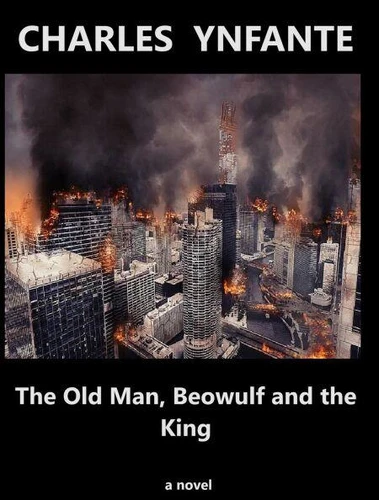
The Old Man, Beowulf and the King
Par :Formats :
Disponible dans votre compte client Decitre ou Furet du Nord dès validation de votre commande. Le format ePub est :
- Compatible avec une lecture sur My Vivlio (smartphone, tablette, ordinateur)
- Compatible avec une lecture sur liseuses Vivlio
- Pour les liseuses autres que Vivlio, vous devez utiliser le logiciel Adobe Digital Edition. Non compatible avec la lecture sur les liseuses Kindle, Remarkable et Sony
 , qui est-ce ?
Notre partenaire de plateforme de lecture numérique où vous retrouverez l'ensemble de vos ebooks gratuitement
Pour en savoir plus sur nos ebooks, consultez notre aide en ligne ici
C'est si simple ! Lisez votre ebook avec l'app Vivlio sur votre tablette, mobile ou ordinateur :

- FormatePub
- ISBN8215317570
- EAN9798215317570
- Date de parution18/11/2022
- Protection num.pas de protection
- Infos supplémentairesepub
- ÉditeurWMG Publishing
Résumé
Charles Ynfante's The Old Man, Beowulf, and the King is historical fiction, exploring how hatred is passed down, but also how it can be challenged. The story is set in a city gripped by racial tension, poverty, and violence. It centers on the lives of Black residents in a tenement building, particularly the family of Aniyah and her sons, Tyrone who is fifteen years old and Ezekiel who is twelve years old, as well as their elderly neighbor, Mr.
Joshua Thurman, and others. The narrative opens with the killing of Lontell Davis, an ordinary Black man, by a white police officer. His death starts citywide unrest. The violence is seen through the eyes of Ezekiel, who witnesses the chaos, and Mr. Thurman, who links current events to past struggles, including the Watts Riots, the Civil Rights Movement, and his own experiences fleeing the Ku Klux Klan as a child. The tenement's residents are bound by hardship and mutual support.
Aniyah, a leader in the local Black Lives Matter movement, grapples with the burden of activism and the safety of her children. Tyrone, torn between his mother's commitment to nonviolence and the allure of militant resistance, is influenced by Ahmahd, a neighbor preparing for violent confrontation. Ezekiel, meanwhile, seeks solace in reading books, and in the wisdom of Mr. Thurman, who tells him the story of Beowulf. One of the white supremacists, Torque is a former police officer but still a Ku Klux Klan member, whose family history of racism is traced back generations.
Torque's sister, Vivian, has married a Black man, and stands in opposition to her brother's ideology. As the city braces for a violent confrontation between Black residents and white supremacists, the story builds to a tense standoff at the tenement. Charles Ynfante's historical novel explores the persistence of racism and white supremacy in America; the cyclical nature of violence and the challenge of breaking it; the importance of community, intergenerational wisdom, and solidarity; and the tension between nonviolent resistance and militant self-defense.
Ultimately, this story is about the search for hope, dignity, and meaning in the face of oppression.
Joshua Thurman, and others. The narrative opens with the killing of Lontell Davis, an ordinary Black man, by a white police officer. His death starts citywide unrest. The violence is seen through the eyes of Ezekiel, who witnesses the chaos, and Mr. Thurman, who links current events to past struggles, including the Watts Riots, the Civil Rights Movement, and his own experiences fleeing the Ku Klux Klan as a child. The tenement's residents are bound by hardship and mutual support.
Aniyah, a leader in the local Black Lives Matter movement, grapples with the burden of activism and the safety of her children. Tyrone, torn between his mother's commitment to nonviolence and the allure of militant resistance, is influenced by Ahmahd, a neighbor preparing for violent confrontation. Ezekiel, meanwhile, seeks solace in reading books, and in the wisdom of Mr. Thurman, who tells him the story of Beowulf. One of the white supremacists, Torque is a former police officer but still a Ku Klux Klan member, whose family history of racism is traced back generations.
Torque's sister, Vivian, has married a Black man, and stands in opposition to her brother's ideology. As the city braces for a violent confrontation between Black residents and white supremacists, the story builds to a tense standoff at the tenement. Charles Ynfante's historical novel explores the persistence of racism and white supremacy in America; the cyclical nature of violence and the challenge of breaking it; the importance of community, intergenerational wisdom, and solidarity; and the tension between nonviolent resistance and militant self-defense.
Ultimately, this story is about the search for hope, dignity, and meaning in the face of oppression.
A propos de Charles Ynfante
Dracula and the Shark
E-book
2,99 €
4,49 €
Butterfly of Eden
E-book
5,49 €
Poetry to Poems
E-book
8,49 €
8,49 €
8,49 €
The Imprisoned
E-book
8,49 €

Checks
E-book
1,99 €
Siler Twigg and Willy
E-book
4,49 €
War and Modernization
E-book
12,99 €

12,99 €
12,99 €
8,49 €
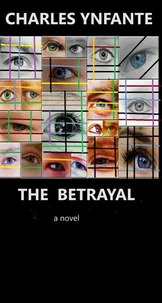
The Betrayal
E-book
8,49 €
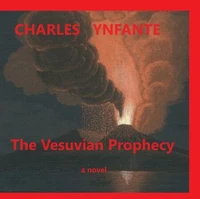
The Vesuvian Prophecy
E-book
8,49 €
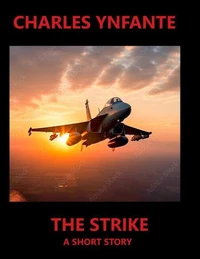
The Strike
E-book
1,99 €
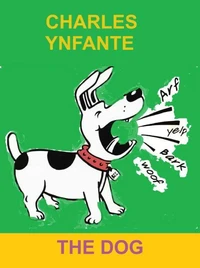
The Dog
E-book
1,99 €
![Clo[w]n[e]](https://products-images.di-static.com/image/charles-ynfante-clo-w-n-e/9798215745823-200x303-1.webp)
Clo[w]n[e]
E-book
1,99 €
1,99 €