SOLDES
Jusqu'à -70% sur une sélection d'articles*

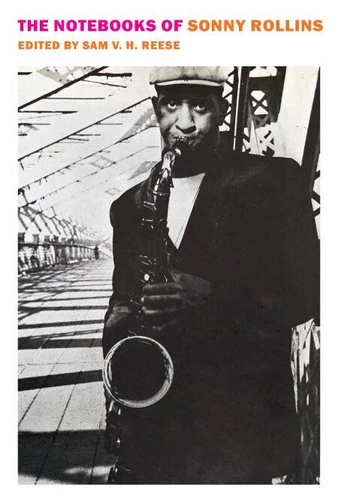
The Notebooks of Sonny Rollins
Par : ,Formats :
Disponible dans votre compte client Decitre ou Furet du Nord dès validation de votre commande. Le format ePub protégé est :
- Compatible avec une lecture sur My Vivlio (smartphone, tablette, ordinateur)
- Compatible avec une lecture sur liseuses Vivlio
- Pour les liseuses autres que Vivlio, vous devez utiliser le logiciel Adobe Digital Edition. Non compatible avec la lecture sur les liseuses Kindle, Remarkable et Sony
- Non compatible avec un achat hors France métropolitaine
 , qui est-ce ?
Notre partenaire de plateforme de lecture numérique où vous retrouverez l'ensemble de vos ebooks gratuitement
Pour en savoir plus sur nos ebooks, consultez notre aide en ligne ici
C'est si simple ! Lisez votre ebook avec l'app Vivlio sur votre tablette, mobile ou ordinateur :

- Nombre de pages176
- FormatePub
- ISBN978-1-68137-827-5
- EAN9781681378275
- Date de parution16/04/2024
- Protection num.Adobe DRM
- Taille3 Mo
- Infos supplémentairesepub
- ÉditeurNew York Review Books
Résumé
An illuminating selection of writings on a wide variety of topics-everything from technique, music theory, and daily routine to spirituality and systemic racism-from the personal journals of Sonny Rollins, master of the tenor saxophone and "jazz's greatest living improviser" (The New York Times). Sonny Rollins is one of the towering masters of American music, a virtuoso of the saxophone, and an unequaled improviser whose live performances are legendary and who has reshaped modern jazz time and time again over the course of a career lasting more than sixty years.
A turning point in that legendary career came in 1959, when Rollins stepped back from performing and recording to begin a new regime of musical exploration, which saw him practicing for hours, sometimes all through the night, on the Williamsburg Bridge. This was also the moment when he started the notebook that would become a trusted companion in years to come-not a diary so much as a place to ponder art and life and his own search for meaning in words and in images.
At once quotidian and aphoristic, the notebooks mingle lists of chores and rehearsal routines with ruminations on nightclub culture, racism, and the conundrums of the inner life. And always there is the music-questions of embouchure, fingering, and technique; of harmony and dissonance; of his own and others' art and the art of jazz. "Any definition, " Rollins insists, "which seeks to separate Johann Sebastian Bach from Miles Davis is defeating its own purpose of clarification.
A turning point in that legendary career came in 1959, when Rollins stepped back from performing and recording to begin a new regime of musical exploration, which saw him practicing for hours, sometimes all through the night, on the Williamsburg Bridge. This was also the moment when he started the notebook that would become a trusted companion in years to come-not a diary so much as a place to ponder art and life and his own search for meaning in words and in images.
At once quotidian and aphoristic, the notebooks mingle lists of chores and rehearsal routines with ruminations on nightclub culture, racism, and the conundrums of the inner life. And always there is the music-questions of embouchure, fingering, and technique; of harmony and dissonance; of his own and others' art and the art of jazz. "Any definition, " Rollins insists, "which seeks to separate Johann Sebastian Bach from Miles Davis is defeating its own purpose of clarification.