SOLDES
Jusqu'à -70% sur une sélection d'articles*

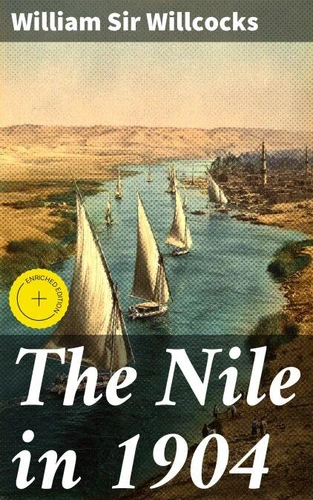
The Nile in 1904. Enriched edition. Exploring the Nile: Geopolitics, Imperialism, and British Expeditions in 1904
Par : ,Formats :
Disponible dans votre compte client Decitre ou Furet du Nord dès validation de votre commande. Le format ePub est :
- Compatible avec une lecture sur My Vivlio (smartphone, tablette, ordinateur)
- Compatible avec une lecture sur liseuses Vivlio
- Pour les liseuses autres que Vivlio, vous devez utiliser le logiciel Adobe Digital Edition. Non compatible avec la lecture sur les liseuses Kindle, Remarkable et Sony
 , qui est-ce ?
Notre partenaire de plateforme de lecture numérique où vous retrouverez l'ensemble de vos ebooks gratuitement
Pour en savoir plus sur nos ebooks, consultez notre aide en ligne ici
C'est si simple ! Lisez votre ebook avec l'app Vivlio sur votre tablette, mobile ou ordinateur :

- Nombre de pages1346
- FormatePub
- ISBN406-4-06-615086-0
- EAN4064066150860
- Date de parution19/12/2019
- Protection num.Digital Watermarking
- Taille3 Mo
- Infos supplémentairesepub
- ÉditeurGOOD PRESS
Résumé
In "The Nile in 1904, " William Sir Willcocks presents a vivid and detailed exploration of the River Nile as both a geographical entity and a vital artery of civilization. The book employs a richly descriptive literary style, integrating meticulous observations with personal anecdotes to convey the significance of the Nile in the context of early 20th-century Egypt. Willcocks examines the interplay between the river, the landscape, and communities inhabiting its banks, while also addressing themes of colonialism, irrigation projects, and environmental challenges.
His narrative is deeply embedded in the historical environment of the time, reflecting substantial advancements in engineering and the socio-political climate influencing Nile cultivation and development initiatives. Sir William Willcocks, a prominent British engineer and irrigation expert, is well-known for his extensive work on water management and agricultural development in Egypt and India. His experiences in these regions, where he managed numerous irrigation projects, significantly shaped his understanding of river systems and the intricate relationships between water and socio-economic structures.
Willcocks's expertise and passion for hydraulic engineering provide an authoritative lens through which he narrates the historical and cultural significance of the Nile. Readers interested in environmental history, colonial studies, or the intricate history of Egypt will find "The Nile in 1904" to be an invaluable resource. Willcocks's engaging prose, combined with his deep knowledge, invites readers to appreciate the complexities of one of the world's most celebrated rivers, encouraging reflection on the impact of human intervention in natural systems. In this enriched edition, we have carefully created added value for your reading experience: - Hand-picked Memorable Quotes shine a spotlight on moments of literary brilliance. - Interactive footnotes clarify unusual references, historical allusions, and archaic phrases for an effortless, more informed read.
His narrative is deeply embedded in the historical environment of the time, reflecting substantial advancements in engineering and the socio-political climate influencing Nile cultivation and development initiatives. Sir William Willcocks, a prominent British engineer and irrigation expert, is well-known for his extensive work on water management and agricultural development in Egypt and India. His experiences in these regions, where he managed numerous irrigation projects, significantly shaped his understanding of river systems and the intricate relationships between water and socio-economic structures.
Willcocks's expertise and passion for hydraulic engineering provide an authoritative lens through which he narrates the historical and cultural significance of the Nile. Readers interested in environmental history, colonial studies, or the intricate history of Egypt will find "The Nile in 1904" to be an invaluable resource. Willcocks's engaging prose, combined with his deep knowledge, invites readers to appreciate the complexities of one of the world's most celebrated rivers, encouraging reflection on the impact of human intervention in natural systems. In this enriched edition, we have carefully created added value for your reading experience: - Hand-picked Memorable Quotes shine a spotlight on moments of literary brilliance. - Interactive footnotes clarify unusual references, historical allusions, and archaic phrases for an effortless, more informed read.