SOLDES
Jusqu'à -70% sur une sélection d'articles*

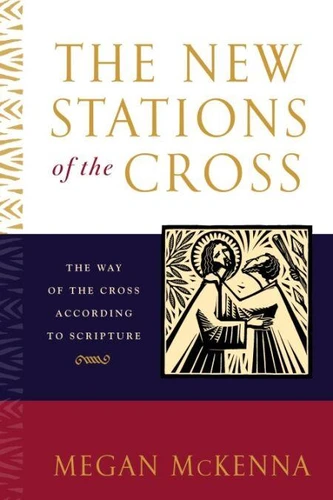
The New Stations of the Cross. The Way of the Cross According to Scripture
Par :Formats :
Disponible dans votre compte client Decitre ou Furet du Nord dès validation de votre commande. Le format ePub protégé est :
- Compatible avec une lecture sur My Vivlio (smartphone, tablette, ordinateur)
- Compatible avec une lecture sur liseuses Vivlio
- Pour les liseuses autres que Vivlio, vous devez utiliser le logiciel Adobe Digital Edition. Non compatible avec la lecture sur les liseuses Kindle, Remarkable et Sony
- Non compatible avec un achat hors France métropolitaine
 , qui est-ce ?
Notre partenaire de plateforme de lecture numérique où vous retrouverez l'ensemble de vos ebooks gratuitement
Pour en savoir plus sur nos ebooks, consultez notre aide en ligne ici
C'est si simple ! Lisez votre ebook avec l'app Vivlio sur votre tablette, mobile ou ordinateur :

- Nombre de pages144
- FormatePub
- ISBN978-0-307-42401-3
- EAN9780307424013
- Date de parution18/12/2007
- Protection num.Adobe DRM
- Taille353 Ko
- Infos supplémentairesepub
- ÉditeurImage
Résumé
One of today's most popular and respected Catholic writers presents the first guide to the new Stations of the Cross, reflecting the revisions made by Pope John Paul II. A traditional devotion for Catholics for more than four hundred years, the Stations of the Cross commemorates the route Jesus traveled from being sentenced to death, crucified, and then buried in a borrowed tomb on the outskirts of Jerusalem.
In the past, the devotion included a number of stations based on popular stories of piety and devotion, but not mentioned in the Gospels. Over the past eight years, however, Pope John Paul II has made substantial changes to the devotion in his Good Friday celebrations of the stations, removing those not found in the Bible and replacing them with stations that more accurately follow scriptural accounts of Christ's passion.
The revised Stations of the Cross focuses on the condemned Jesus and on the community walking the way with him to the cross. Unrelieved by stories like Veronica's wiping blood off the face of Jesus and his meeting with his mother; this is a story of an execution. The new stations deal directly with the pain, suffering, betrayal, and injustice to which Jesus was subjected. In explaining his reasons for revising the stations, the Pope has said that the alterations are intended to serve as a model for other devotions and to encourage the return to the Scriptures as the source of and inspiration for contemporary worship.
In this helpful, authoritative guide, Megan McKenna presents the fourteen new stations with the scriptural passages that Pope John Paul II uses on Good Friday. She also provides a basic introduction to the practices and reflections on the importance of the devotion for present-day Catholics and Episcopalians.
In the past, the devotion included a number of stations based on popular stories of piety and devotion, but not mentioned in the Gospels. Over the past eight years, however, Pope John Paul II has made substantial changes to the devotion in his Good Friday celebrations of the stations, removing those not found in the Bible and replacing them with stations that more accurately follow scriptural accounts of Christ's passion.
The revised Stations of the Cross focuses on the condemned Jesus and on the community walking the way with him to the cross. Unrelieved by stories like Veronica's wiping blood off the face of Jesus and his meeting with his mother; this is a story of an execution. The new stations deal directly with the pain, suffering, betrayal, and injustice to which Jesus was subjected. In explaining his reasons for revising the stations, the Pope has said that the alterations are intended to serve as a model for other devotions and to encourage the return to the Scriptures as the source of and inspiration for contemporary worship.
In this helpful, authoritative guide, Megan McKenna presents the fourteen new stations with the scriptural passages that Pope John Paul II uses on Good Friday. She also provides a basic introduction to the practices and reflections on the importance of the devotion for present-day Catholics and Episcopalians.
A propos de Megan McKenna



3,99 €
14,91 €