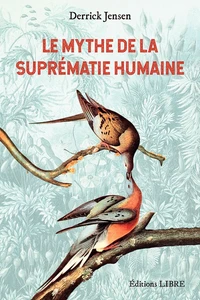
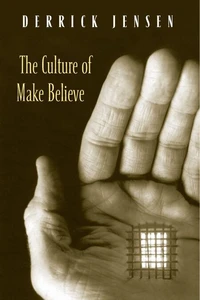
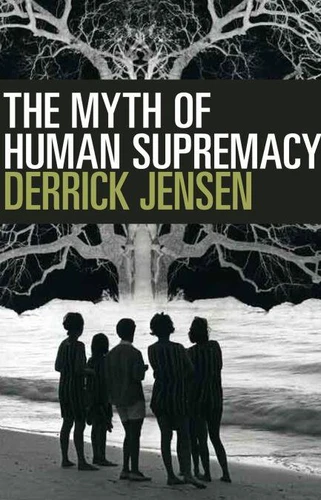
In this impassioned polemic, radical environmental philosopher Derrick Jensen debunks the near-universal belief in a hierarchy of nature and the superiority of humans. Vast and underappreciated complexities of nonhuman life are explored in detail-from the cultures of pigs and prairie dogs, to the creative use of tools by elephants and fish, to the acumen of caterpillars and fungi. The paralysis of the scientific establishment on moral and ethical issues is confronted and a radical new framework for assessing the intelligence and sentience of nonhuman life is put forth. Jensen attacks mainstream environmental journalism, which too often limits discussions to how ecological changes affect humans or the economy-with little or no regard for nonhuman life.
With his signature compassionate logic, he argues that when we separate ourselves from the rest of nature, we in fact orient ourselves against nature, taking an unjust and, in the long run, impossible position. Jensen expresses profound disdain for the human industrial complex and its ecological excesses, contending that it is based on the systematic exploitation of the earth. Page by page, Jensen, who has been called the philosopher-poet of the environmental movement, demonstrates his deep appreciation of the natural world in all its intimacy, and sounds an urgent call for its liberation from human domination.
In this impassioned polemic, radical environmental philosopher Derrick Jensen debunks the near-universal belief in a hierarchy of nature and the superiority of humans. Vast and underappreciated complexities of nonhuman life are explored in detail-from the cultures of pigs and prairie dogs, to the creative use of tools by elephants and fish, to the acumen of caterpillars and fungi. The paralysis of the scientific establishment on moral and ethical issues is confronted and a radical new framework for assessing the intelligence and sentience of nonhuman life is put forth. Jensen attacks mainstream environmental journalism, which too often limits discussions to how ecological changes affect humans or the economy-with little or no regard for nonhuman life.
With his signature compassionate logic, he argues that when we separate ourselves from the rest of nature, we in fact orient ourselves against nature, taking an unjust and, in the long run, impossible position. Jensen expresses profound disdain for the human industrial complex and its ecological excesses, contending that it is based on the systematic exploitation of the earth. Page by page, Jensen, who has been called the philosopher-poet of the environmental movement, demonstrates his deep appreciation of the natural world in all its intimacy, and sounds an urgent call for its liberation from human domination.

 , qui est-ce ?