SOLDES
Jusqu'à -70% sur une sélection d'articles*

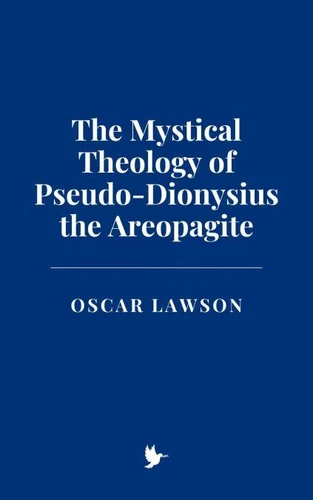
The Mystical Theology of Pseudo-Dionysius the Areopagite
Par :Formats :
Disponible dans votre compte client Decitre ou Furet du Nord dès validation de votre commande. Le format ePub est :
- Compatible avec une lecture sur My Vivlio (smartphone, tablette, ordinateur)
- Compatible avec une lecture sur liseuses Vivlio
- Pour les liseuses autres que Vivlio, vous devez utiliser le logiciel Adobe Digital Edition. Non compatible avec la lecture sur les liseuses Kindle, Remarkable et Sony
 , qui est-ce ?
Notre partenaire de plateforme de lecture numérique où vous retrouverez l'ensemble de vos ebooks gratuitement
Pour en savoir plus sur nos ebooks, consultez notre aide en ligne ici
C'est si simple ! Lisez votre ebook avec l'app Vivlio sur votre tablette, mobile ou ordinateur :

- FormatePub
- ISBN8230665342
- EAN9798230665342
- Date de parution05/02/2025
- Protection num.pas de protection
- Infos supplémentairesepub
- ÉditeurIndependently Published
Résumé
This book offers a comprehensive exploration of the mystical theology of Pseudo-Dionysius the Areopagite, delving into the depth of his writings, theological concepts, and their lasting impact on Christian mysticism and philosophy. Rooted in both Christian scripture and Neoplatonic philosophy, Pseudo-Dionysius presents a vision of the divine that emphasizes the transcendent unity of God, the role of divine light in the soul's ascent, and the process of purification, illumination, and union with the divine.
Through an analysis of key texts, including The Divine Names, The Celestial Hierarchy, and Mystical Theology, this book examines the fundamental principles of Pseudo-Dionysian thought: the hierarchical structure of reality, the ineffability of God, the paradox of being and non-being, and the transformative power of divine grace. The book traces the influence of Pseudo-Dionysius on both Eastern and Western Christian traditions, showing how his mystical insights shaped the development of theological and mystical practices, from the Hesychast tradition and Gregory Palamas in the East to the Scholastic and medieval mystics in the West.
In addition, it highlights how his ideas continue to inspire contemporary spiritual thought and ecumenical dialogue. By offering a deep and sustained analysis of Pseudo-Dionysius' theology, this work provides a pathway to understanding the divine mystery and the soul's journey toward divine union, emphasizing the ongoing relevance of his mystical and philosophical contributions to Christian theology and spirituality.
Through an analysis of key texts, including The Divine Names, The Celestial Hierarchy, and Mystical Theology, this book examines the fundamental principles of Pseudo-Dionysian thought: the hierarchical structure of reality, the ineffability of God, the paradox of being and non-being, and the transformative power of divine grace. The book traces the influence of Pseudo-Dionysius on both Eastern and Western Christian traditions, showing how his mystical insights shaped the development of theological and mystical practices, from the Hesychast tradition and Gregory Palamas in the East to the Scholastic and medieval mystics in the West.
In addition, it highlights how his ideas continue to inspire contemporary spiritual thought and ecumenical dialogue. By offering a deep and sustained analysis of Pseudo-Dionysius' theology, this work provides a pathway to understanding the divine mystery and the soul's journey toward divine union, emphasizing the ongoing relevance of his mystical and philosophical contributions to Christian theology and spirituality.
A propos de Oscar Lawson





2,99 €