SOLDES
Jusqu'à -70% sur une sélection d'articles*

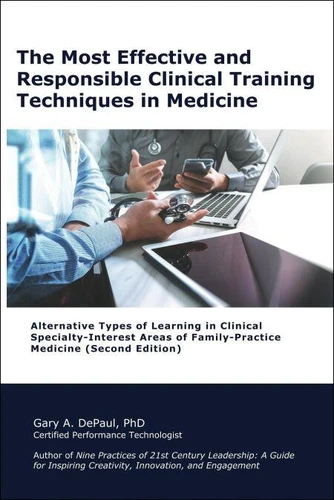
The Most Effective and Responsible Clinical Training Techniques in Medicine: Alternative Types of Learning in Clinical Specialty-Interest Areas of Family-Practice Medicine (Second Edition)
Par :Formats :
Disponible dans votre compte client Decitre ou Furet du Nord dès validation de votre commande. Le format ePub est :
- Compatible avec une lecture sur My Vivlio (smartphone, tablette, ordinateur)
- Compatible avec une lecture sur liseuses Vivlio
- Pour les liseuses autres que Vivlio, vous devez utiliser le logiciel Adobe Digital Edition. Non compatible avec la lecture sur les liseuses Kindle, Remarkable et Sony
 , qui est-ce ?
Notre partenaire de plateforme de lecture numérique où vous retrouverez l'ensemble de vos ebooks gratuitement
Pour en savoir plus sur nos ebooks, consultez notre aide en ligne ici
C'est si simple ! Lisez votre ebook avec l'app Vivlio sur votre tablette, mobile ou ordinateur :

- FormatePub
- ISBN8223616610
- EAN9798223616610
- Date de parution26/02/2017
- Protection num.pas de protection
- Infos supplémentairesepub
- ÉditeurDraft2Digital
Résumé
"If you believe that the broad aim of clinical instruction is about teaching medical procedures, you're wrong. Whether an attending, a faculty member, or another type of clinical instructor, believing this can hinder the learning process."Even though UMI published the first edition nearly two decades ago, Gary DePaul's research findings and implications are even more relevant today. From interviews with family-practice specialists from the Carle Clinic Association, Dr.
DePaul discovered certain training techniques to be more effective at building specialty-interest area expertise while responsibly protecting patient safety and care. In addition, he discovered how a three-way, interlocking dilemma influences how specialists develop their specialty-interest area. New in the second edition: Preface and Introduction to the second edition New chapter structure Content improvements to readability and corrections Glossary of terms
DePaul discovered certain training techniques to be more effective at building specialty-interest area expertise while responsibly protecting patient safety and care. In addition, he discovered how a three-way, interlocking dilemma influences how specialists develop their specialty-interest area. New in the second edition: Preface and Introduction to the second edition New chapter structure Content improvements to readability and corrections Glossary of terms