SOLDES
Jusqu'à -70% sur une sélection d'articles*

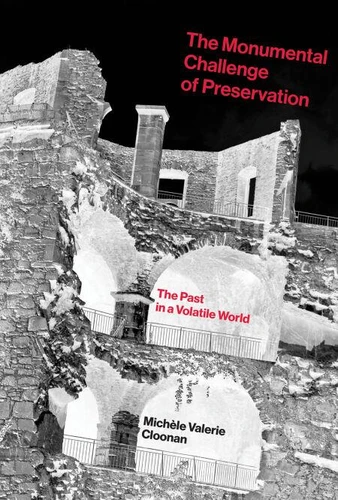
The Monumental Challenge of Preservation. The Past in a Volatile World
Par :Formats :
Disponible dans votre compte client Decitre ou Furet du Nord dès validation de votre commande. Le format ePub protégé est :
- Compatible avec une lecture sur My Vivlio (smartphone, tablette, ordinateur)
- Compatible avec une lecture sur liseuses Vivlio
- Pour les liseuses autres que Vivlio, vous devez utiliser le logiciel Adobe Digital Edition. Non compatible avec la lecture sur les liseuses Kindle, Remarkable et Sony
- Non compatible avec un achat hors France métropolitaine
 , qui est-ce ?
Notre partenaire de plateforme de lecture numérique où vous retrouverez l'ensemble de vos ebooks gratuitement
Pour en savoir plus sur nos ebooks, consultez notre aide en ligne ici
C'est si simple ! Lisez votre ebook avec l'app Vivlio sur votre tablette, mobile ou ordinateur :

- Nombre de pages280
- FormatePub
- ISBN978-0-262-34580-4
- EAN9780262345804
- Date de parution20/04/2018
- Protection num.Adobe DRM
- Taille84 Mo
- Infos supplémentairesepub
- ÉditeurThe MIT Press
Résumé
The enormous task of preserving the world's heritage in the face of war, natural disaster, vandalism, neglect, and technical obsolescence. The monuments-movable, immovable, tangible, and intangible-of the world's shared cultural heritage are at risk. War, terrorism, natural disaster, vandalism, and neglect make the work of preservation a greater challenge than it has been since World War II. In The Monumental Challenge of Preservation Michèle Cloonan makes the case that, at this critical juncture, we must consider preservation in the broadest possible contexts.
Preservation requires the efforts of an increasing number of stakeholders. In order to explore the cultural, political, technological, economic, and ethical dimensions of preservation, Cloonan examines particular monuments and their preservation dilemmas. The massive Bamiyan Buddhas, blown up by the Taliban in 2001, are still the subject of debates over how, or whether, to preserve what remains, and the U.
S. National Park Service has undertaken the complex task of preserving the symbolic and often ephemeral objects that visitors leave at the Vietnam Veterans Memorial-to take just two of the many examples described in the book. Cloonan also considers the ongoing genocide and cultural genocide in Syria; the challenges of preserving our digital heritage; the dynamic between original and copy; efforts to preserve the papers and architectural fragments of the architect Louis Sullivan; and the possibility of sustainable preservation.
In the end, Cloonan suggests, we are what we preserve-and don't preserve. Every day we make preservation decisions, individually and collectively, that have longer-term ramifications than we might expect.
Preservation requires the efforts of an increasing number of stakeholders. In order to explore the cultural, political, technological, economic, and ethical dimensions of preservation, Cloonan examines particular monuments and their preservation dilemmas. The massive Bamiyan Buddhas, blown up by the Taliban in 2001, are still the subject of debates over how, or whether, to preserve what remains, and the U.
S. National Park Service has undertaken the complex task of preserving the symbolic and often ephemeral objects that visitors leave at the Vietnam Veterans Memorial-to take just two of the many examples described in the book. Cloonan also considers the ongoing genocide and cultural genocide in Syria; the challenges of preserving our digital heritage; the dynamic between original and copy; efforts to preserve the papers and architectural fragments of the architect Louis Sullivan; and the possibility of sustainable preservation.
In the end, Cloonan suggests, we are what we preserve-and don't preserve. Every day we make preservation decisions, individually and collectively, that have longer-term ramifications than we might expect.