SOLDES
Jusqu'à -70% sur une sélection d'articles*

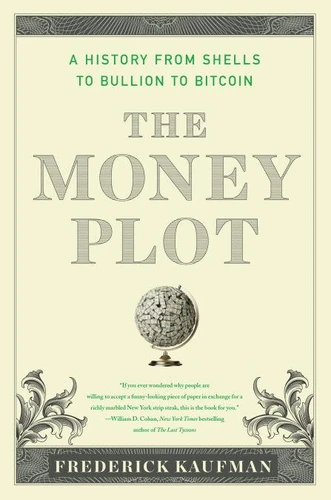
The Money Plot. A History of Currency's Power to Enchant, Control, and Manipulate
Par :Formats :
Disponible dans votre compte client Decitre ou Furet du Nord dès validation de votre commande. Le format ePub protégé est :
- Compatible avec une lecture sur My Vivlio (smartphone, tablette, ordinateur)
- Compatible avec une lecture sur liseuses Vivlio
- Pour les liseuses autres que Vivlio, vous devez utiliser le logiciel Adobe Digital Edition. Non compatible avec la lecture sur les liseuses Kindle, Remarkable et Sony
- Non compatible avec un achat hors France métropolitaine
 , qui est-ce ?
Notre partenaire de plateforme de lecture numérique où vous retrouverez l'ensemble de vos ebooks gratuitement
Pour en savoir plus sur nos ebooks, consultez notre aide en ligne ici
C'est si simple ! Lisez votre ebook avec l'app Vivlio sur votre tablette, mobile ou ordinateur :

- Nombre de pages304
- FormatePub
- ISBN978-1-59051-719-2
- EAN9781590517192
- Date de parution24/11/2020
- Protection num.Adobe DRM
- Taille8 Mo
- Infos supplémentairesepub
- ÉditeurOther Press
Résumé
Half fable, half manifesto, this brilliant new take on the ancient concept of cash lays bare its unparalleled capacity to empower and enthrall us. Frederick Kaufman tackles the complex history of money, beginning with the earliest myths and wrapping up with Wall Street's byzantine present-day doings. Along the way, he exposes a set of allegorical plots, stock characters, and stereotypical metaphors that have long been linked with money and commercial culture, from Melanesian trading rituals to the dogma of Medieval churchmen faced with global commerce, the rationales of Mercantilism and colonial expansion, and the U.
S. dollar's 1971 unpinning from gold. The Money Plot offers a tool to see through the haze of modern banking and finance, demonstrating that the standard reasons given for economic inequality-the Neoliberal gospel of market forces-are, like dollars, euros, and yuan, contingent upon structures people have designed. It shines a light on the one percent's efforts to contain a money culture that benefits them within boundaries they themselves are increasingly setting.
And Kaufman warns that if we cannot recognize what is going on, we run the risk of becoming pawns and shells ourselves, of becoming characters in someone else's plot, of becoming other people's money.
S. dollar's 1971 unpinning from gold. The Money Plot offers a tool to see through the haze of modern banking and finance, demonstrating that the standard reasons given for economic inequality-the Neoliberal gospel of market forces-are, like dollars, euros, and yuan, contingent upon structures people have designed. It shines a light on the one percent's efforts to contain a money culture that benefits them within boundaries they themselves are increasingly setting.
And Kaufman warns that if we cannot recognize what is going on, we run the risk of becoming pawns and shells ourselves, of becoming characters in someone else's plot, of becoming other people's money.