SOLDES
Jusqu'à -70% sur une sélection d'articles*

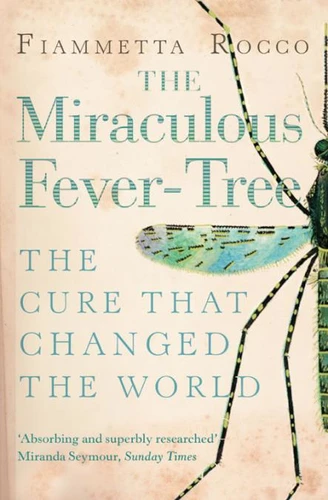
The Miraculous Fever-Tree. Malaria, Medicine and the Cure that Changed the World (Text Only)
Par :Formats :
Disponible dans votre compte client Decitre ou Furet du Nord dès validation de votre commande. Le format ePub protégé est :
- Compatible avec une lecture sur My Vivlio (smartphone, tablette, ordinateur)
- Compatible avec une lecture sur liseuses Vivlio
- Pour les liseuses autres que Vivlio, vous devez utiliser le logiciel Adobe Digital Edition. Non compatible avec la lecture sur les liseuses Kindle, Remarkable et Sony
- Non compatible avec un achat hors France métropolitaine
 , qui est-ce ?
Notre partenaire de plateforme de lecture numérique où vous retrouverez l'ensemble de vos ebooks gratuitement
Pour en savoir plus sur nos ebooks, consultez notre aide en ligne ici
C'est si simple ! Lisez votre ebook avec l'app Vivlio sur votre tablette, mobile ou ordinateur :

- Nombre de pages368
- FormatePub
- ISBN978-0-00-739279-7
- EAN9780007392797
- Date de parution31/05/2012
- Protection num.Adobe DRM
- Infos supplémentairesepub
- ÉditeurHarperCollins
Résumé
A rich and wonderful history of quinine - the cure for malaria.
In the summer of 1623, ten cardinals and hundreds of their attendants, engaged in electing a new Pope, died from the 'mal'aria' or 'bad air' of the Roman marshes. Their choice, Pope Urban VIII, determined that a cure should be found for the fever that was the scourge of the Mediterranean, northern Europe and America, and in 1631 a young Jesuit apothecarist in Peru sent to the Old World a cure that had been found in the New - where the disease was unknown.
The cure was quinine, an alkaloid made of the bitter red bark of the cinchona tree, which grows in the Andes.
Both disease and cure have an extraordinary history. Malaria badly weakened the Roman Empire. It killed thousands of British troops fighting Napoleon during the Walcheren raid on Holland in 1809 and many soldiers on both sides of the American Civil War. It turned back many of the travellers who explored west Africa and brought the building of the Panama Canal to a standstill. When, after a thousand years, a cure was finally found, Europe's Protestants, among them Oliver Cromwell, who suffered badly from malaria, feared it was nothing more than a Popish poison.
More than any previous medicine, though, quinine forced physicians to change their ideas about treating illness. Before long, it would change the face of Western medicine. Using fresh research from the Vatican and the Indian Archives in Seville, as well as hitherto undiscovered documents in Peru, Fiammetta Rocco describes the ravages of the disease, the quest of the three Englishmen who smuggled cinchona seeds out of South America, the way quinine opened the door to Western imperial adventure in Asia, Africa and beyond, and why, even today, quinine grown in the eastern Congo still saves so many people suffering from malaria. Note that it has not been possible to include the same picture content that appeared in the original print version.
Both disease and cure have an extraordinary history. Malaria badly weakened the Roman Empire. It killed thousands of British troops fighting Napoleon during the Walcheren raid on Holland in 1809 and many soldiers on both sides of the American Civil War. It turned back many of the travellers who explored west Africa and brought the building of the Panama Canal to a standstill. When, after a thousand years, a cure was finally found, Europe's Protestants, among them Oliver Cromwell, who suffered badly from malaria, feared it was nothing more than a Popish poison.
More than any previous medicine, though, quinine forced physicians to change their ideas about treating illness. Before long, it would change the face of Western medicine. Using fresh research from the Vatican and the Indian Archives in Seville, as well as hitherto undiscovered documents in Peru, Fiammetta Rocco describes the ravages of the disease, the quest of the three Englishmen who smuggled cinchona seeds out of South America, the way quinine opened the door to Western imperial adventure in Asia, Africa and beyond, and why, even today, quinine grown in the eastern Congo still saves so many people suffering from malaria. Note that it has not been possible to include the same picture content that appeared in the original print version.