SOLDES
Jusqu'à -70% sur une sélection d'articles*

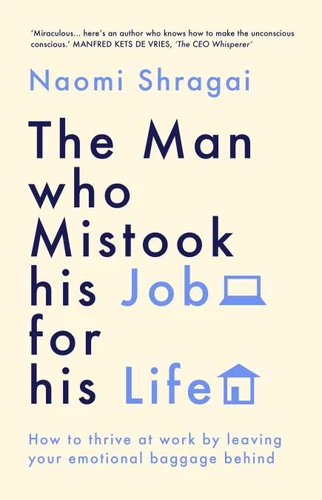
The Man Who Mistook His Job for His Life. How to Thrive at Work by Leaving Your Emotional Baggage Behind
Par :Formats :
Disponible dans votre compte client Decitre ou Furet du Nord dès validation de votre commande. Le format ePub protégé est :
- Compatible avec une lecture sur My Vivlio (smartphone, tablette, ordinateur)
- Compatible avec une lecture sur liseuses Vivlio
- Pour les liseuses autres que Vivlio, vous devez utiliser le logiciel Adobe Digital Edition. Non compatible avec la lecture sur les liseuses Kindle, Remarkable et Sony
- Non compatible avec un achat hors France métropolitaine
 , qui est-ce ?
Notre partenaire de plateforme de lecture numérique où vous retrouverez l'ensemble de vos ebooks gratuitement
Pour en savoir plus sur nos ebooks, consultez notre aide en ligne ici
C'est si simple ! Lisez votre ebook avec l'app Vivlio sur votre tablette, mobile ou ordinateur :

- Nombre de pages288
- FormatePub
- ISBN978-0-7535-5833-1
- EAN9780753558331
- Date de parution26/08/2021
- Protection num.Adobe DRM
- Infos supplémentairesepub
- ÉditeurVirgin Digital
Résumé
'Nobody understands the everyday madness of working life better than Naomi Shragai. This book should be read by everyone who ventures anywhere near an office.' - Lucy Kellaway, Financial TimesA revolutionary approach to understanding the emotional dynamics within our working lives.'Nobody understands the everyday madness of working life better than Naomi Shragai. This book should be read by everyone who ventures anywhere near an office' - Lucy KellawayYou probably don't realise this, but every working day you replay and re-enact conflicts, dynamics and relationships from your past.
Whether it's confusing an authority figure with a parent; avoiding conflict because of past squabbles with siblings; or suffering from imposter syndrome because of the way your family responded to success, when it comes to work we are all trapped in our own upbringings and the patterns of behaviour we learned while growing up. Many of us spend eighteen formative years or more living with family and building our personality; but most of us also spend fifty years - or 90, 000 hours - in the workplace.
With the pull of the familial so strong, we unconsciously re-enact our personal past in our professional present - even when it holds us back. Through intimate stories, fascinating insights and provocative questions that tackle the issues that cause us most problems - from imposter syndrome and fear of conflict to perfectionism and anxiety - business psychotherapist Naomi Shragai will transform how you think about yourself and your working life.
Based on thirty years of expertise and practice, Shragai will show you that what is holding you back is within your gift to change - and the first step is to realise how you, like the rest of the people you work with, habitually confuse your professional present with your personal past.
Whether it's confusing an authority figure with a parent; avoiding conflict because of past squabbles with siblings; or suffering from imposter syndrome because of the way your family responded to success, when it comes to work we are all trapped in our own upbringings and the patterns of behaviour we learned while growing up. Many of us spend eighteen formative years or more living with family and building our personality; but most of us also spend fifty years - or 90, 000 hours - in the workplace.
With the pull of the familial so strong, we unconsciously re-enact our personal past in our professional present - even when it holds us back. Through intimate stories, fascinating insights and provocative questions that tackle the issues that cause us most problems - from imposter syndrome and fear of conflict to perfectionism and anxiety - business psychotherapist Naomi Shragai will transform how you think about yourself and your working life.
Based on thirty years of expertise and practice, Shragai will show you that what is holding you back is within your gift to change - and the first step is to realise how you, like the rest of the people you work with, habitually confuse your professional present with your personal past.