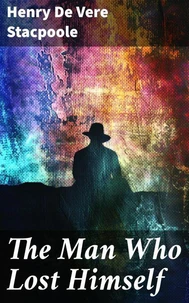
In 'The Man Who Lost Himself, ' Henry De Vere Stacpoole delves into the complexities of identity, exploring themes of self-discovery and existential uncertainty. Written in a lyrical prose style characteristic of the early 20th century, Stacpoole weaves a compelling narrative that examines the fragility of memory and the impact of societal expectations on personal identity. The story follows a man who, amidst the backdrop of an evolving world, grapples with his own sense of self, reflecting broader philosophical inquiries relevant to the period of Post-Victorian literature.
Through intricate character development and evocative settings, Stacpoole invites readers to ponder the nature of existence and belonging. Henry De Vere Stacpoole, a notable figure of the literary scene, was influenced by his diverse background and experiences, which included living in various cultures. His works often showcase his keen observations of human nature and the existential crises faced by individuals.
This particular novel emerged during a time when the questioning of identity was becoming increasingly significant, often mirroring Stacpoole's own travels and introspections about life's uncertainties. Readers of literary fiction that grapples with philosophical questions will find 'The Man Who Lost Himself' a thought-provoking and enriching experience. Stacpoole's nuanced exploration of psychology and society resonates powerfully, offering profound insights into the universal search for self amidst a tumultuous landscape.
This novel is a must-read for those interested in the intricacies of human identity and the condition of modern existence.
In 'The Man Who Lost Himself, ' Henry De Vere Stacpoole delves into the complexities of identity, exploring themes of self-discovery and existential uncertainty. Written in a lyrical prose style characteristic of the early 20th century, Stacpoole weaves a compelling narrative that examines the fragility of memory and the impact of societal expectations on personal identity. The story follows a man who, amidst the backdrop of an evolving world, grapples with his own sense of self, reflecting broader philosophical inquiries relevant to the period of Post-Victorian literature.
Through intricate character development and evocative settings, Stacpoole invites readers to ponder the nature of existence and belonging. Henry De Vere Stacpoole, a notable figure of the literary scene, was influenced by his diverse background and experiences, which included living in various cultures. His works often showcase his keen observations of human nature and the existential crises faced by individuals.
This particular novel emerged during a time when the questioning of identity was becoming increasingly significant, often mirroring Stacpoole's own travels and introspections about life's uncertainties. Readers of literary fiction that grapples with philosophical questions will find 'The Man Who Lost Himself' a thought-provoking and enriching experience. Stacpoole's nuanced exploration of psychology and society resonates powerfully, offering profound insights into the universal search for self amidst a tumultuous landscape.
This novel is a must-read for those interested in the intricacies of human identity and the condition of modern existence.
 , qui est-ce ?