SOLDES
Jusqu'à -70% sur une sélection d'articles*

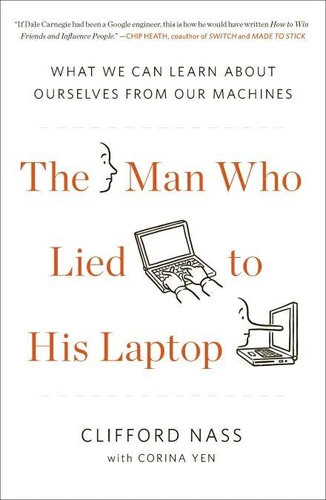
The Man Who Lied to His Laptop. What We Can Learn About Ourselves from Our Machines
Par : ,Formats :
Disponible dans votre compte client Decitre ou Furet du Nord dès validation de votre commande. Le format ePub protégé est :
- Compatible avec une lecture sur My Vivlio (smartphone, tablette, ordinateur)
- Compatible avec une lecture sur liseuses Vivlio
- Pour les liseuses autres que Vivlio, vous devez utiliser le logiciel Adobe Digital Edition. Non compatible avec la lecture sur les liseuses Kindle, Remarkable et Sony
- Non compatible avec un achat hors France métropolitaine
 , qui est-ce ?
Notre partenaire de plateforme de lecture numérique où vous retrouverez l'ensemble de vos ebooks gratuitement
Pour en savoir plus sur nos ebooks, consultez notre aide en ligne ici
C'est si simple ! Lisez votre ebook avec l'app Vivlio sur votre tablette, mobile ou ordinateur :

- Nombre de pages256
- FormatePub
- ISBN978-1-101-44271-5
- EAN9781101442715
- Date de parution02/09/2010
- Protection num.Adobe DRM
- Taille347 Ko
- Infos supplémentairesepub
- ÉditeurCurrent
Résumé
Counterintuitive insights about building successful relationships- based on research into human-computer interaction. Books like Predictably Irrational and Sway have revolutionized how we view human behavior. Now, Stanford professor Clifford Nass has discovered a set of rules for effective human relationships, drawn from an unlikely source: his study of our interactions with computers. Based on his decades of research, Nass demonstrates that-although we might deny it-we treat computers and other devices like people: we empathize with them, argue with them, form bonds with them.
We even lie to them to protect their feelings. This fundamental revelation has led to groundbreaking research on how people should behave with one another. Nass's research shows that: Mixing criticism and praise is a wildly ineffective method of evaluation Flattery works-even when the recipient knows it's fake Introverts and extroverts are each best at selling to one of their own Nass's discoveries provide nothing less than a new blueprint for successful human relationships.
We even lie to them to protect their feelings. This fundamental revelation has led to groundbreaking research on how people should behave with one another. Nass's research shows that: Mixing criticism and praise is a wildly ineffective method of evaluation Flattery works-even when the recipient knows it's fake Introverts and extroverts are each best at selling to one of their own Nass's discoveries provide nothing less than a new blueprint for successful human relationships.