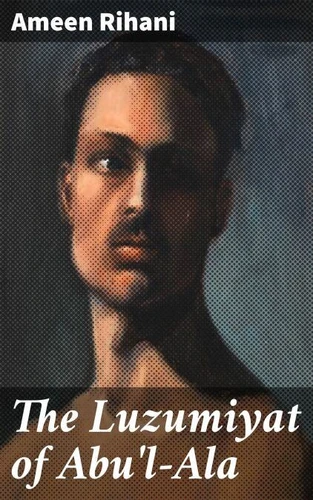
In "The Luzumiyat of Abu'l-Ala, " Ameen Rihani embarks on a profound exploration of the philosophical and poetic legacy of the famed Arab poet and thinker Abu'l-Ala al-Ma'arri. Written in a distinctive lyrical style, Rihani weaves together an intricate tapestry of literary criticism, personal reflection, and cultural commentary, positioning al-Ma'arri within the context of both the classical Arab literary tradition and the modernist currents of Rihani's own time.
Through detailed analysis, Rihani illuminates how al-Ma'arri'Äôs themes of existential inquiry and moral contemplation resonate with contemporary audiences, offering timeless insights into the nature of human experience. Ameen Rihani was a pivotal figure in the Arab Renaissance, often drawing from his diverse cultural background as a Lebanese-American. His own experiences of displacement and identity profoundly influenced his artistic vision and his engagement with literary figures like al-Ma'arri, who grappled with similar themes of individualism and skepticism.
Rihani'Äôs dual identity allowed him to bridge cultures, enriching the discourse on modern Arab literature and philosophy. This book is a must-read for anyone interested in the intersections of poetry, philosophy, and cultural identity. Rihani'Äôs depth of understanding enhances al-Ma'arri'Äôs relevance, making this work not only a tribute to a monumental figure in Arabic literature but also an essential read for those seeking to understand the enduring complexities of human thought.
In "The Luzumiyat of Abu'l-Ala, " Ameen Rihani embarks on a profound exploration of the philosophical and poetic legacy of the famed Arab poet and thinker Abu'l-Ala al-Ma'arri. Written in a distinctive lyrical style, Rihani weaves together an intricate tapestry of literary criticism, personal reflection, and cultural commentary, positioning al-Ma'arri within the context of both the classical Arab literary tradition and the modernist currents of Rihani's own time.
Through detailed analysis, Rihani illuminates how al-Ma'arri'Äôs themes of existential inquiry and moral contemplation resonate with contemporary audiences, offering timeless insights into the nature of human experience. Ameen Rihani was a pivotal figure in the Arab Renaissance, often drawing from his diverse cultural background as a Lebanese-American. His own experiences of displacement and identity profoundly influenced his artistic vision and his engagement with literary figures like al-Ma'arri, who grappled with similar themes of individualism and skepticism.
Rihani'Äôs dual identity allowed him to bridge cultures, enriching the discourse on modern Arab literature and philosophy. This book is a must-read for anyone interested in the intersections of poetry, philosophy, and cultural identity. Rihani'Äôs depth of understanding enhances al-Ma'arri'Äôs relevance, making this work not only a tribute to a monumental figure in Arabic literature but also an essential read for those seeking to understand the enduring complexities of human thought.


 , qui est-ce ?