SOLDES
Jusqu'à -70% sur une sélection d'articles*

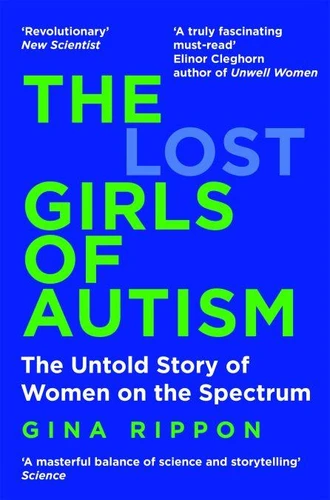
The Lost Girls of Autism. The Untold Story of Women on the Spectrum
Par :Formats :
Disponible dans votre compte client Decitre ou Furet du Nord dès validation de votre commande. Le format ePub protégé est :
- Compatible avec une lecture sur My Vivlio (smartphone, tablette, ordinateur)
- Compatible avec une lecture sur liseuses Vivlio
- Pour les liseuses autres que Vivlio, vous devez utiliser le logiciel Adobe Digital Edition. Non compatible avec la lecture sur les liseuses Kindle, Remarkable et Sony
- Non compatible avec un achat hors France métropolitaine
 , qui est-ce ?
Notre partenaire de plateforme de lecture numérique où vous retrouverez l'ensemble de vos ebooks gratuitement
Pour en savoir plus sur nos ebooks, consultez notre aide en ligne ici
C'est si simple ! Lisez votre ebook avec l'app Vivlio sur votre tablette, mobile ou ordinateur :

- Nombre de pages352
- FormatePub
- ISBN978-1-0350-1165-0
- EAN9781035011650
- Date de parution20/02/2025
- Protection num.Adobe DRM
- Infos supplémentairesepub
- ÉditeurMacmillan
Résumé
'A truly fascinating must-read' - Elinor Cleghorn, bestselling author of Unwell WomenWinner of the Popular Science Award from the British Psychological SocietyA Book of the Year in the Daily Telegraph and New ScientistThe history of autism is male. It is time for women and girls to enter the spotlight. For decades, our understanding of autism has been based on stereotypes of 'socially awkward' men and boys.
But this isn't because autism doesn't affect women; it is because the system built to identify it has completely failed them. This blind spot has left generations of women and girls misunderstood and misdiagnosed. In The Lost Girls of Autism, leading neuroscientist Gina Rippon challenges this biased view of autism and explores the female autistic experience. She reveals how girls on the spectrum learn to 'hide in plain sight' by camouflaging to fit in.
Drawing on decades of research and powerful first-person accounts, Rippon shows how the female autistic brain is 'differently different' and urges us to give these lost girls their rightful place on the spectrum.
But this isn't because autism doesn't affect women; it is because the system built to identify it has completely failed them. This blind spot has left generations of women and girls misunderstood and misdiagnosed. In The Lost Girls of Autism, leading neuroscientist Gina Rippon challenges this biased view of autism and explores the female autistic experience. She reveals how girls on the spectrum learn to 'hide in plain sight' by camouflaging to fit in.
Drawing on decades of research and powerful first-person accounts, Rippon shows how the female autistic brain is 'differently different' and urges us to give these lost girls their rightful place on the spectrum.