SOLDES
Jusqu'à -70% sur une sélection d'articles*

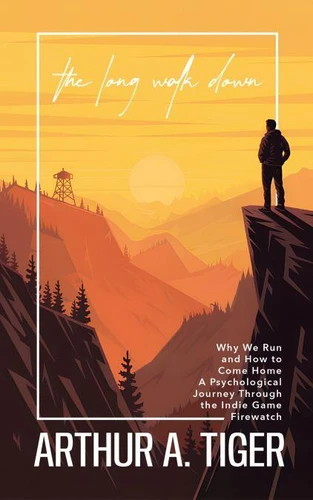
The Long Walk Down: Why We Run and How to Come Home. The Basics of Healthy Relationships
Par :Formats :
Disponible dans votre compte client Decitre ou Furet du Nord dès validation de votre commande. Le format ePub est :
- Compatible avec une lecture sur My Vivlio (smartphone, tablette, ordinateur)
- Compatible avec une lecture sur liseuses Vivlio
- Pour les liseuses autres que Vivlio, vous devez utiliser le logiciel Adobe Digital Edition. Non compatible avec la lecture sur les liseuses Kindle, Remarkable et Sony
 , qui est-ce ?
Notre partenaire de plateforme de lecture numérique où vous retrouverez l'ensemble de vos ebooks gratuitement
Pour en savoir plus sur nos ebooks, consultez notre aide en ligne ici
C'est si simple ! Lisez votre ebook avec l'app Vivlio sur votre tablette, mobile ou ordinateur :

- FormatePub
- ISBN8233008573
- EAN9798233008573
- Date de parution05/11/2025
- Protection num.pas de protection
- Infos supplémentairesepub
- ÉditeurLinda Balsamo
Résumé
There is a moment when we all want to disappear. To board a bus heading anywhere but here. To climb a tower and watch our problems become distant specks on the horizon. In The Long Walk Down, Arthur Tiger uses the acclaimed indie game Firewatch as a psychological map to explore why we escape, how we build elaborate systems of avoidance, and what it takes to finally come home. Henry, the game's protagonist, runs to a Wyoming fire tower to escape his wife's early-onset dementia.
For seventy-nine days, he maintains connection only through a walkie-talkie, building intimacy without vulnerability, relationship without presence. It's the perfect modern escape: close enough to feel connected, distant enough to stay safe. But the forest burns. And eventually, we all must decide: take the helicopter to the next escape, or walk the trail back down. This book is for anyone who has: Built towers (literal or metaphorical) to watch life from safe distance Maintained relationships through screens rather than risk real presence Constructed elaborate meanings to avoid simple truths Run from unbearable circumstances, only to find themselves in different unbearable circumstances Wondered why understanding their patterns doesn't break them Drawing on psychology, philosophy, and years of personal experience with escape, Tiger examines: The architecture of avoidance and why protection becomes prison How technology enables intimacy without vulnerability Why we create conspiracies of meaning rather than face simple truths The difference between healthy retreat and permanent flight What it takes to attempt return when you're not ready but out of time This is not a self-help book with easy answers.
It's an honest examination of how humans construct distance, why we need it, and why it ultimately fails. It's about the moment when the exit sign reveals itself as another form of imprisonment. And the long, difficult walk back to presence. Several years ago, Tiger wrote about Henry's forest in Time is Everything, understanding that escape costs irreplaceable time. This book goes deeper: understanding the cost doesn't stop us from paying it.
Knowledge doesn't liberate. Awareness doesn't free. The Long Walk Down is what happens when you realize the forest isn't just Henry's metaphor-it's universal. You're already in it. And the question isn't whether you understand escape, but whether you're ready to attempt return. Not because you're strong. Not because you're ready. Not because you've figured it out. But because the forest is burning.
And you're tired of running. And home-whatever that means now-is the only direction left.
For seventy-nine days, he maintains connection only through a walkie-talkie, building intimacy without vulnerability, relationship without presence. It's the perfect modern escape: close enough to feel connected, distant enough to stay safe. But the forest burns. And eventually, we all must decide: take the helicopter to the next escape, or walk the trail back down. This book is for anyone who has: Built towers (literal or metaphorical) to watch life from safe distance Maintained relationships through screens rather than risk real presence Constructed elaborate meanings to avoid simple truths Run from unbearable circumstances, only to find themselves in different unbearable circumstances Wondered why understanding their patterns doesn't break them Drawing on psychology, philosophy, and years of personal experience with escape, Tiger examines: The architecture of avoidance and why protection becomes prison How technology enables intimacy without vulnerability Why we create conspiracies of meaning rather than face simple truths The difference between healthy retreat and permanent flight What it takes to attempt return when you're not ready but out of time This is not a self-help book with easy answers.
It's an honest examination of how humans construct distance, why we need it, and why it ultimately fails. It's about the moment when the exit sign reveals itself as another form of imprisonment. And the long, difficult walk back to presence. Several years ago, Tiger wrote about Henry's forest in Time is Everything, understanding that escape costs irreplaceable time. This book goes deeper: understanding the cost doesn't stop us from paying it.
Knowledge doesn't liberate. Awareness doesn't free. The Long Walk Down is what happens when you realize the forest isn't just Henry's metaphor-it's universal. You're already in it. And the question isn't whether you understand escape, but whether you're ready to attempt return. Not because you're strong. Not because you're ready. Not because you've figured it out. But because the forest is burning.
And you're tired of running. And home-whatever that means now-is the only direction left.