SOLDES
Jusqu'à -70% sur une sélection d'articles*

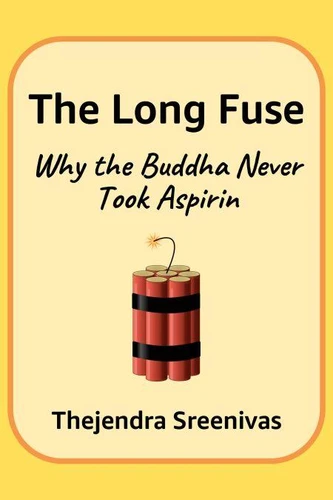
The Long Fuse - Why the Buddha Never Took Aspirin. An Executive Self Help Novel, #4
Par :Formats :
Disponible dans votre compte client Decitre ou Furet du Nord dès validation de votre commande. Le format ePub est :
- Compatible avec une lecture sur My Vivlio (smartphone, tablette, ordinateur)
- Compatible avec une lecture sur liseuses Vivlio
- Pour les liseuses autres que Vivlio, vous devez utiliser le logiciel Adobe Digital Edition. Non compatible avec la lecture sur les liseuses Kindle, Remarkable et Sony
 , qui est-ce ?
Notre partenaire de plateforme de lecture numérique où vous retrouverez l'ensemble de vos ebooks gratuitement
Pour en savoir plus sur nos ebooks, consultez notre aide en ligne ici
C'est si simple ! Lisez votre ebook avec l'app Vivlio sur votre tablette, mobile ou ordinateur :

- FormatePub
- ISBN978-1-301-30941-2
- EAN9781301309412
- Date de parution26/09/2012
- Protection num.pas de protection
- Infos supplémentairesepub
- ÉditeurBluewater
Résumé
Q: What is this book about?A: The Long Fuse: Why the Buddha Never Took Aspirin is a practical and reflective personal development book about emotional resilience, anger, stress, and unnecessary suffering. It explores you get upset, irritated, disappointed, or exhausted by other people's behaviors, and how to stop reacting in ways that damage your peace of mind. Q: Why does the book mention aspirin and the Buddha?A: Aspirin symbolizes our modern habit of treating emotional stress as a medical problem, while the Buddha represents inner calm and self-mastery.
The book uses this contrast to show that much of your daily stress is self-created, and therefore avoidable, if you change how you think, react, and seek validation. Q: What core problem does this book address?A: The book addresses your constant need for appreciation, approval, and recognition, and how this silent dependency makes you angry, disappointed, and emotionally fragile. It explains why expecting gratitude, fairness, or good behavior from everyone is one of the biggest sources of frustration in modern life.
Q: Is this a spiritual or religious book?A: No. While it draws inspiration from timeless wisdom, the book is practical, psychological, and grounded in everyday situations. It focuses on real workplace stress, difficult people, criticism, temper, resentment, and emotional exhaustion, without religious preaching or abstract philosophy. Q: What will I learn from this book?A: You will learn how to stop seeking appreciation from everyone, manage your temper, handle criticism intelligently, understand why certain people irritate you so much, let go of grudges, and respond calmly instead of reacting emotionally.
You will also learn simple habits that help you remain balanced under pressure. Q: How does this book help with anger and irritation?A: It shows how anger is often fueled by expectations, ego, and emotional attachment rather than real harm. The book teaches you how to lengthen your "emotional fuse, " so minor insults, criticism, or disappointments no longer trigger stress, rage, or bitterness. Q: Who is this book for?A: For professionals, employees, managers, caregivers, and anyone who feels stressed, unappreciated, easily irritated, or emotionally drained by people and situations.
It is especially useful for readers who are tired of carrying resentment, anger, or disappointment into their daily lives. Q: What is the main takeaway of the book?A: That peace of mind does not come from changing people, receiving appreciation, or being treated fairly-it comes from changing how you interpret events and control your reactions. When you stop wearing the invisible "make me feel special" hat, life becomes lighter, calmer, and far less painful.
The book uses this contrast to show that much of your daily stress is self-created, and therefore avoidable, if you change how you think, react, and seek validation. Q: What core problem does this book address?A: The book addresses your constant need for appreciation, approval, and recognition, and how this silent dependency makes you angry, disappointed, and emotionally fragile. It explains why expecting gratitude, fairness, or good behavior from everyone is one of the biggest sources of frustration in modern life.
Q: Is this a spiritual or religious book?A: No. While it draws inspiration from timeless wisdom, the book is practical, psychological, and grounded in everyday situations. It focuses on real workplace stress, difficult people, criticism, temper, resentment, and emotional exhaustion, without religious preaching or abstract philosophy. Q: What will I learn from this book?A: You will learn how to stop seeking appreciation from everyone, manage your temper, handle criticism intelligently, understand why certain people irritate you so much, let go of grudges, and respond calmly instead of reacting emotionally.
You will also learn simple habits that help you remain balanced under pressure. Q: How does this book help with anger and irritation?A: It shows how anger is often fueled by expectations, ego, and emotional attachment rather than real harm. The book teaches you how to lengthen your "emotional fuse, " so minor insults, criticism, or disappointments no longer trigger stress, rage, or bitterness. Q: Who is this book for?A: For professionals, employees, managers, caregivers, and anyone who feels stressed, unappreciated, easily irritated, or emotionally drained by people and situations.
It is especially useful for readers who are tired of carrying resentment, anger, or disappointment into their daily lives. Q: What is the main takeaway of the book?A: That peace of mind does not come from changing people, receiving appreciation, or being treated fairly-it comes from changing how you interpret events and control your reactions. When you stop wearing the invisible "make me feel special" hat, life becomes lighter, calmer, and far less painful.
A propos de Thejendra Sreenivas


0,99 €









2,99 €



2,99 €