SOLDES
Jusqu'à -70% sur une sélection d'articles*

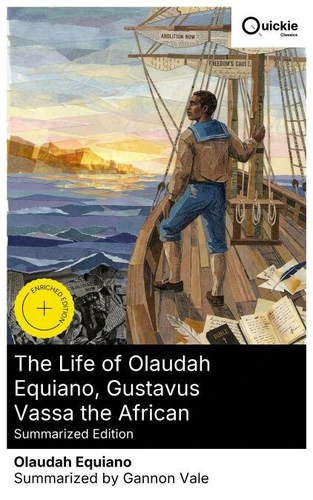
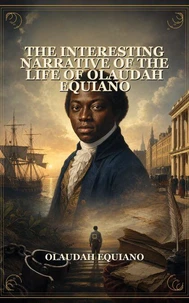
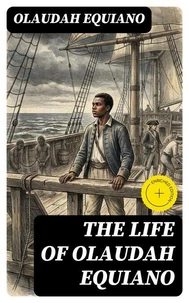
The Life of Olaudah Equiano, Gustavus Vassa the African (Summarized Edition). Enriched edition. An 18th‑Century Slave Narrative of the Middle Passage, Seafaring Life, and Abolitionist Awakening
Par : ,Formats :
Disponible dans votre compte client Decitre ou Furet du Nord dès validation de votre commande. Le format ePub est :
- Compatible avec une lecture sur My Vivlio (smartphone, tablette, ordinateur)
- Compatible avec une lecture sur liseuses Vivlio
- Pour les liseuses autres que Vivlio, vous devez utiliser le logiciel Adobe Digital Edition. Non compatible avec la lecture sur les liseuses Kindle, Remarkable et Sony
 , qui est-ce ?
Notre partenaire de plateforme de lecture numérique où vous retrouverez l'ensemble de vos ebooks gratuitement
Pour en savoir plus sur nos ebooks, consultez notre aide en ligne ici
C'est si simple ! Lisez votre ebook avec l'app Vivlio sur votre tablette, mobile ou ordinateur :

- Nombre de pages121
- FormatePub
- ISBN859-65--4787584-0
- EAN8596547875840
- Date de parution12/01/2026
- Protection num.Digital Watermarking
- Taille868 Ko
- Infos supplémentairesepub
- ÉditeurQUICKIE CLASSICS
Résumé
First published in 1789, The Life of Olaudah Equiano, Gustavus Vassa the African blends spiritual autobiography, travel narrative, and abolitionist argument. Equiano traces his Eboe childhood, abduction and the Middle Passage, enslavement in the Americas, naval service, mercantile work, and the purchase of his liberty. In lucid, poised prose, he fuses ethnographic observation with Enlightenment reason and evangelical reflection to indict Atlantic slavery.
Born c. 1745 and known in Britain as Gustavus Vassa, Equiano educated himself at sea and in Atlantic ports, embracing Anglican evangelicalism and collaborating with abolitionists like Granville Sharp and Thomas Clarkson. After buying his freedom in 1766, he ranged from the Caribbean to the Arctic as a sailor and merchant. His encounters with imperial warfare and commerce sharpened his critique; later debates over his birthplace highlight, rather than diminish, his self-fashioned authority.
This landmark of Black Atlantic literature remains essential for students of history, religion, and autobiography, and for any reader seeking a clear-eyed primary witness. Read it for its moral clarity, narrative craft, and analytic intelligence, and for the still-urgent case it makes against racialized exploitation. Equiano's narrative reshapes how we think about freedom, citizenship, and the making of a modern global conscience. Quickie Classics summarizes timeless works with precision, preserving the author's voice and keeping the prose clear, fast, and readable-distilled, never diluted.
Enriched Edition extras: Introduction · Synopsis · Historical Context · Author Biography · Brief Analysis · 4 Reflection Q&As · Editorial Footnotes.
Born c. 1745 and known in Britain as Gustavus Vassa, Equiano educated himself at sea and in Atlantic ports, embracing Anglican evangelicalism and collaborating with abolitionists like Granville Sharp and Thomas Clarkson. After buying his freedom in 1766, he ranged from the Caribbean to the Arctic as a sailor and merchant. His encounters with imperial warfare and commerce sharpened his critique; later debates over his birthplace highlight, rather than diminish, his self-fashioned authority.
This landmark of Black Atlantic literature remains essential for students of history, religion, and autobiography, and for any reader seeking a clear-eyed primary witness. Read it for its moral clarity, narrative craft, and analytic intelligence, and for the still-urgent case it makes against racialized exploitation. Equiano's narrative reshapes how we think about freedom, citizenship, and the making of a modern global conscience. Quickie Classics summarizes timeless works with precision, preserving the author's voice and keeping the prose clear, fast, and readable-distilled, never diluted.
Enriched Edition extras: Introduction · Synopsis · Historical Context · Author Biography · Brief Analysis · 4 Reflection Q&As · Editorial Footnotes.