SOLDES
Jusqu'à -70% sur une sélection d'articles*

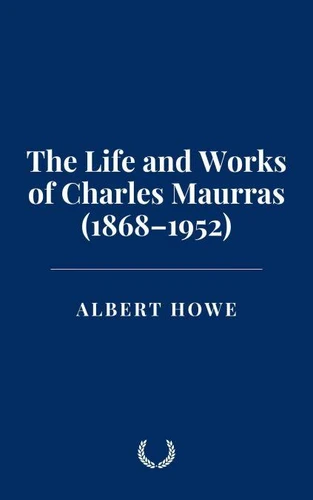
The Life and Works of Charles Maurras (1868–1952)
Par :Formats :
Disponible dans votre compte client Decitre ou Furet du Nord dès validation de votre commande. Le format ePub est :
- Compatible avec une lecture sur My Vivlio (smartphone, tablette, ordinateur)
- Compatible avec une lecture sur liseuses Vivlio
- Pour les liseuses autres que Vivlio, vous devez utiliser le logiciel Adobe Digital Edition. Non compatible avec la lecture sur les liseuses Kindle, Remarkable et Sony
 , qui est-ce ?
Notre partenaire de plateforme de lecture numérique où vous retrouverez l'ensemble de vos ebooks gratuitement
Pour en savoir plus sur nos ebooks, consultez notre aide en ligne ici
C'est si simple ! Lisez votre ebook avec l'app Vivlio sur votre tablette, mobile ou ordinateur :

- FormatePub
- ISBN8227809940
- EAN9798227809940
- Date de parution26/01/2025
- Protection num.pas de protection
- Infos supplémentairesepub
- ÉditeurBig Dog Books, LLC
Résumé
This book offers a comprehensive analysis of the life, work, and ideological legacy of Charles Maurras (1868-1952), a French philosopher, journalist, and the intellectual founder of the Action Française movement. Through 20 detailed chapters, the text traces Maurras' intellectual evolution, his embrace of nationalism, monarchy, and Catholicism, and his profound critique of liberal democracy and the French Republic.
The book delves into the historical context of Maurras' thought, exploring his response to key political events such as the Dreyfus Affair, World War I, the rise of Vichy, and the postwar period, in which his collaborationist stance during the Vichy regime ultimately led to his imprisonment. The book examines Maurras' ideas from multiple angles, addressing his critique of modernity, his vision of the nation as an organic, hierarchical entity, and his rejection of egalitarian principles in favor of a return to traditional values.
It also engages with the complex moral and political consequences of his anti-Semitism, authoritarianism, and support for Vichy, offering insights into how these elements shaped his ideas and reputation. The work provides a nuanced exploration of Maurras' influence on French political thought, his lasting impact on conservative and nationalist movements, and the ways in which his ideas have been revisited, interpreted, and redefined in contemporary political and intellectual discourse.
By tracing the full trajectory of Maurras' thought-from his early intellectual influences and the founding of Action Française to his involvement in Vichy and his postwar trial-the book provides a balanced view of his legacy. It engages critically with the tension between his intellectual contributions and his problematic political alliances, considering both his philosophical rigor and the dangerous political consequences of his exclusionary nationalism.
Ultimately, the text presents a complex portrait of a figure whose ideas continue to provoke reflection and debate, offering valuable lessons for understanding the intersection of ideology, history, and political power in the modern world.
The book delves into the historical context of Maurras' thought, exploring his response to key political events such as the Dreyfus Affair, World War I, the rise of Vichy, and the postwar period, in which his collaborationist stance during the Vichy regime ultimately led to his imprisonment. The book examines Maurras' ideas from multiple angles, addressing his critique of modernity, his vision of the nation as an organic, hierarchical entity, and his rejection of egalitarian principles in favor of a return to traditional values.
It also engages with the complex moral and political consequences of his anti-Semitism, authoritarianism, and support for Vichy, offering insights into how these elements shaped his ideas and reputation. The work provides a nuanced exploration of Maurras' influence on French political thought, his lasting impact on conservative and nationalist movements, and the ways in which his ideas have been revisited, interpreted, and redefined in contemporary political and intellectual discourse.
By tracing the full trajectory of Maurras' thought-from his early intellectual influences and the founding of Action Française to his involvement in Vichy and his postwar trial-the book provides a balanced view of his legacy. It engages critically with the tension between his intellectual contributions and his problematic political alliances, considering both his philosophical rigor and the dangerous political consequences of his exclusionary nationalism.
Ultimately, the text presents a complex portrait of a figure whose ideas continue to provoke reflection and debate, offering valuable lessons for understanding the intersection of ideology, history, and political power in the modern world.
A propos de Albert Howe
2,99 €
2,99 €

2,99 €


2,99 €

2,99 €

2,99 €
2,99 €
2,99 €