SOLDES
Jusqu'à -70% sur une sélection d'articles*

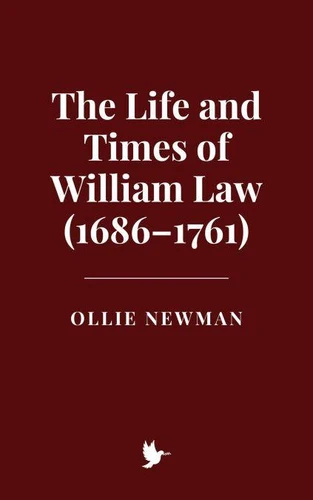
The Life and Times of William Law (1686–1761)
Par :Formats :
Disponible dans votre compte client Decitre ou Furet du Nord dès validation de votre commande. Le format ePub est :
- Compatible avec une lecture sur My Vivlio (smartphone, tablette, ordinateur)
- Compatible avec une lecture sur liseuses Vivlio
- Pour les liseuses autres que Vivlio, vous devez utiliser le logiciel Adobe Digital Edition. Non compatible avec la lecture sur les liseuses Kindle, Remarkable et Sony
 , qui est-ce ?
Notre partenaire de plateforme de lecture numérique où vous retrouverez l'ensemble de vos ebooks gratuitement
Pour en savoir plus sur nos ebooks, consultez notre aide en ligne ici
C'est si simple ! Lisez votre ebook avec l'app Vivlio sur votre tablette, mobile ou ordinateur :

- FormatePub
- ISBN8230662037
- EAN9798230662037
- Date de parution02/01/2025
- Protection num.pas de protection
- Infos supplémentairesepub
- ÉditeurIndependently Published
Résumé
This work explores the life and theology of William Law (1686-1761), a pivotal figure in 18th-century English Christianity. Renowned as a theologian, mystic, and spiritual writer, Law's contributions bridged the traditional Anglican orthodoxy and the emerging currents of the Enlightenment and Evangelical Revival. From his early years as a promising scholar at Cambridge to his retreat to Kings Cliffe, Law's life was characterized by an unwavering commitment to the principles of faith, conscience, and devotion.
Law's writings, particularly A Serious Call to a Devout and Holy Life and The Spirit of Prayer, profoundly influenced contemporary and later religious thought. His works emphasized the integration of faith and practice, the transformative power of divine love, and the centrality of prayer and holiness in the Christian life. Engaging deeply with the mystical theology of Jacob Boehme and the ethical demands of the Gospel, Law articulated a vision of discipleship that challenged the materialism, rationalism, and complacency of his age.
While his alignment with the Nonjuring movement isolated him from ecclesiastical advancement, it also underscored his moral courage and theological independence. Law's critiques of Deism, consumerism, and superficial religiosity resonated with the Evangelical Revival, shaping figures like John Wesley and inspiring movements for social reform. His philanthropic endeavors, particularly in education and charity, exemplified his belief in the inseparability of love for God and neighbor.
Law's legacy endures as a timeless voice for Christian renewal. His integration of mystical insight, ethical rigor, and social responsibility provides a model for navigating the tensions between tradition and innovation, faith and reason, and individual and communal spirituality. This study affirms Law's relevance for contemporary discussions on the nature of holiness, the challenges of discipleship, and the transformative potential of faith in both personal and societal contexts.
Law's writings, particularly A Serious Call to a Devout and Holy Life and The Spirit of Prayer, profoundly influenced contemporary and later religious thought. His works emphasized the integration of faith and practice, the transformative power of divine love, and the centrality of prayer and holiness in the Christian life. Engaging deeply with the mystical theology of Jacob Boehme and the ethical demands of the Gospel, Law articulated a vision of discipleship that challenged the materialism, rationalism, and complacency of his age.
While his alignment with the Nonjuring movement isolated him from ecclesiastical advancement, it also underscored his moral courage and theological independence. Law's critiques of Deism, consumerism, and superficial religiosity resonated with the Evangelical Revival, shaping figures like John Wesley and inspiring movements for social reform. His philanthropic endeavors, particularly in education and charity, exemplified his belief in the inseparability of love for God and neighbor.
Law's legacy endures as a timeless voice for Christian renewal. His integration of mystical insight, ethical rigor, and social responsibility provides a model for navigating the tensions between tradition and innovation, faith and reason, and individual and communal spirituality. This study affirms Law's relevance for contemporary discussions on the nature of holiness, the challenges of discipleship, and the transformative potential of faith in both personal and societal contexts.


