SOLDES
Jusqu'à -70% sur une sélection d'articles*

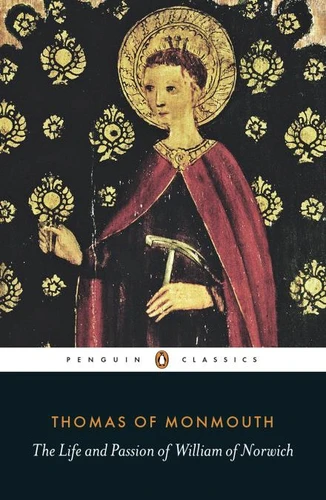
The Life and Passion of William of Norwich
Par : ,Formats :
Disponible dans votre compte client Decitre ou Furet du Nord dès validation de votre commande. Le format ePub protégé est :
- Compatible avec une lecture sur My Vivlio (smartphone, tablette, ordinateur)
- Compatible avec une lecture sur liseuses Vivlio
- Pour les liseuses autres que Vivlio, vous devez utiliser le logiciel Adobe Digital Edition. Non compatible avec la lecture sur les liseuses Kindle, Remarkable et Sony
- Non compatible avec un achat hors France métropolitaine
 , qui est-ce ?
Notre partenaire de plateforme de lecture numérique où vous retrouverez l'ensemble de vos ebooks gratuitement
Pour en savoir plus sur nos ebooks, consultez notre aide en ligne ici
C'est si simple ! Lisez votre ebook avec l'app Vivlio sur votre tablette, mobile ou ordinateur :

- Nombre de pages300
- FormatePub
- ISBN978-0-14-197053-0
- EAN9780141970530
- Date de parution25/09/2014
- Protection num.Adobe DRM
- Infos supplémentairesepub
- ÉditeurPENGUIN
Résumé
A fascinating surviving chronicle from 12th-century England which holds a unique and terrible place in the history of anti-SemitismThe Life and Passion of William of Norwich gives a remarkable insight into life in a medieval cathedral city, brilliantly capturing the everyday concerns of ordinary people and focussing on the miraculous cures carried out at a shrine. But this was no ordinary shrine; fervent worshippers gathered around the burial-place where they believed that a boy was buried, a boy murdered by the Jews of Norwich.
A chilling, highly significant document, The Life and Passion of William of Norwich is, as far as we know, the earliest version of what was to become the 'blood libel' which has haunted Europe ever since. Miri Rubin both superbly translates the book and in her introduction interprets the sequence of events that led to the monk Thomas of Monmouth's appalling narrative. The consequences of his fantasies have been incalculable.
A chilling, highly significant document, The Life and Passion of William of Norwich is, as far as we know, the earliest version of what was to become the 'blood libel' which has haunted Europe ever since. Miri Rubin both superbly translates the book and in her introduction interprets the sequence of events that led to the monk Thomas of Monmouth's appalling narrative. The consequences of his fantasies have been incalculable.