SOLDES
Jusqu'à -70% sur une sélection d'articles*
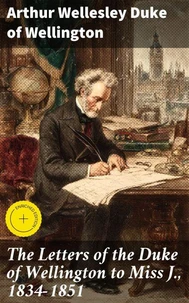
The Letters of the Duke of Wellington to Miss J., 1834-1851. Edited, with Extracts from the Diary of the Latter
Par : ,Formats :
Disponible dans votre compte client Decitre ou Furet du Nord dès validation de votre commande. Le format ePub est :
- Compatible avec une lecture sur My Vivlio (smartphone, tablette, ordinateur)
- Compatible avec une lecture sur liseuses Vivlio
- Pour les liseuses autres que Vivlio, vous devez utiliser le logiciel Adobe Digital Edition. Non compatible avec la lecture sur les liseuses Kindle, Remarkable et Sony
 , qui est-ce ?
Notre partenaire de plateforme de lecture numérique où vous retrouverez l'ensemble de vos ebooks gratuitement
Pour en savoir plus sur nos ebooks, consultez notre aide en ligne ici
C'est si simple ! Lisez votre ebook avec l'app Vivlio sur votre tablette, mobile ou ordinateur :

- Nombre de pages197
- FormatePub
- ISBN859-65--4738101-3
- EAN8596547381013
- Date de parution16/09/2022
- Protection num.Digital Watermarking
- Taille401 Ko
- Infos supplémentairesepub
- ÉditeurDIGICAT
Résumé
In "The Letters of the Duke of Wellington to Miss J., 1834-1851, " Arthur Wellesley, the Duke of Wellington, transcends the traditional historical narrative to weave a tapestry of personal correspondence that unveils his intimate thoughts and sentiments during a transformative era in British history. Written in a reflective and candid style, this collection reveals the complexities of Wellington's character, showcasing his vulnerabilities alongside his military acumen.
As a product of the early Victorian period, the letters capture the interplay of personal and public life, shedding light on the thoughts of a man often seen primarily as a military hero rather than a multifaceted individual. Wellington's formidable reputation as a military leader and statesman culminated in his pivotal role at the Battle of Waterloo, but his correspondence with Miss J. exposes his private life and emotional landscapes, providing context for his later endeavors in politics and governance.
The juxtaposition of his public persona and private reflections speaks volumes about the pressures faced by figures of such stature, offering insights into the man beneath the uniform. This collection is an essential read for those interested in military history, personal letters, and the intricate dynamics of 19th-century British society. Wellington's eloquence and depth of feeling not only enrich our understanding of his character but also invite readers to reflect on the interplay between personal relationships and public duty.
As a product of the early Victorian period, the letters capture the interplay of personal and public life, shedding light on the thoughts of a man often seen primarily as a military hero rather than a multifaceted individual. Wellington's formidable reputation as a military leader and statesman culminated in his pivotal role at the Battle of Waterloo, but his correspondence with Miss J. exposes his private life and emotional landscapes, providing context for his later endeavors in politics and governance.
The juxtaposition of his public persona and private reflections speaks volumes about the pressures faced by figures of such stature, offering insights into the man beneath the uniform. This collection is an essential read for those interested in military history, personal letters, and the intricate dynamics of 19th-century British society. Wellington's eloquence and depth of feeling not only enrich our understanding of his character but also invite readers to reflect on the interplay between personal relationships and public duty.